Quality service since 1995



Walking down the isle of almost any hardware store in the summer, one will most likely find more than a dozen methods, solutions and quick fixes recommended for the best leaky basement waterproofing. No doubt some of these work, but assuming that the method advertised will automatically work for the wet basement problem being encountered at home is unwise. In fact, every one of these solutions will likely work for some time. The big question is whether they will work in the long term for the specific problem the basement has.
The first step in solving a problem is the research involved in finding its root cause. The symptoms might be the same, but the subtle differences in the way they appear will indicate the different causes of the leakage in the basement.
Generally, the leakage is caused by cracks in the concrete in the walls. These come from the lateral pressure that is exerted on the walls by the soil outside. When the soil absorbs extra water, it expands, and it is the lateral pressure from this expansion that eventually causes cracks in the walls.
However, it is not always that a leaky basement is caused by water seeping in. Sometimes, the humidity comes from condensation inside the basement, most of the time as a result of poor ventilation.
There are simple tests for determining the source of the wetness in the basement, and every reputable leaky basement waterproofing company will always conduct these tests before beginning its work.
Most people only think about internal leaky basement waterproofing solutions when dealing with a leaky basement. While this is not necessarily a bad thing, there is need for external solutions too.
When one seals the cracks on the inside walls, for instance, all they are doing is keeping the water from entering the room, and not dealing with the reason why the walls cracked in the first place. It is important to not only keep the water from entering the room, but to also keep it from seeping into the walls, where it is arguably more dangerous to the house.
Sometimes, the cause of the problem could be something one does not expect.
Basically, the fact that water does not flow away from the base of the house walls after rains or winter is cause for concern. Have the gutters and downspouts cleaned and directing the water a considerable distance away, and have the land immediately outside the home slanting away to direct water from the house foundation.
 What is a Drainage Tile
and
How to Use It
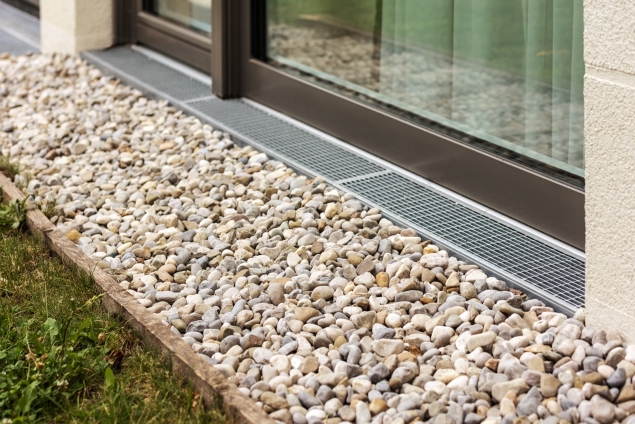
What do drain tiles do, and what does a drain tile system look like? Let our contractors sepcialized in basement waterproofing Toronto answer this.
Read more
What is a Drainage Tile
and
How to Use It
What do drain tiles do, and what does a drain tile system look like? Let our contractors sepcialized in basement waterproofing Toronto answer this.
Read more
 How to Prevent
Moisture
in
Crawl Space
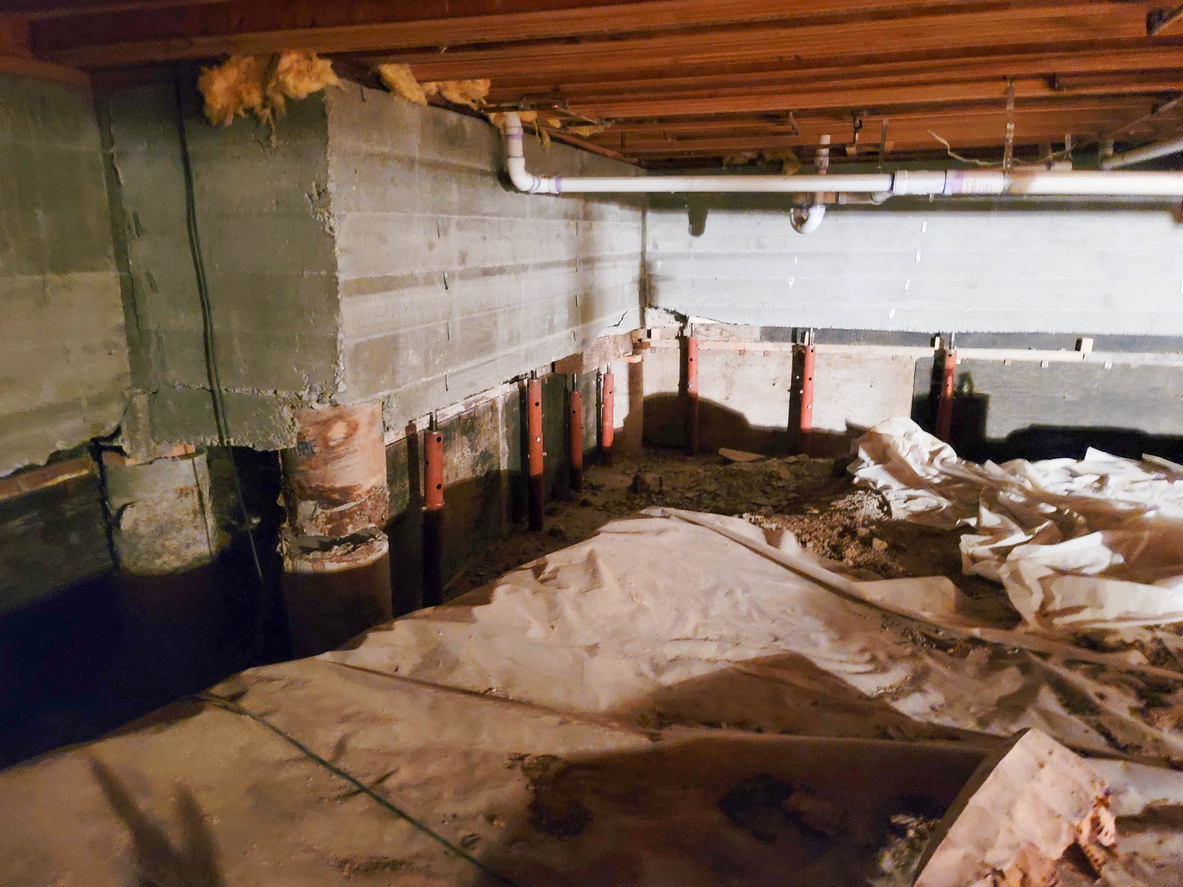
A crawl space home foundation is different from a basement or slab. Usually, crawl spaces have dirt or gravel floors and are not spacious like basements. A crawl space raises your home above the BFE (base flood elevation), meaning that in case there is a flood, your home cannot get wet.
Read more
How to Prevent
Moisture
in
Crawl Space
A crawl space home foundation is different from a basement or slab. Usually, crawl spaces have dirt or gravel floors and are not spacious like basements. A crawl space raises your home above the BFE (base flood elevation), meaning that in case there is a flood, your home cannot get wet.
Read more
 Why You Should
Always Hire
a Professional
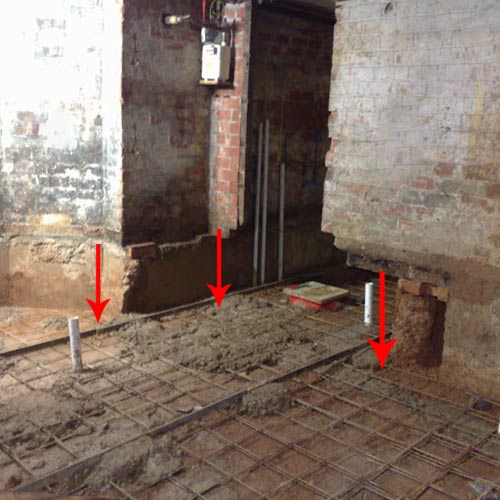
If you’re having waterproofing issues, it might seem as a good and less expensive idea to do it yourself.
Read more
Why You Should
Always Hire
a Professional
If you’re having waterproofing issues, it might seem as a good and less expensive idea to do it yourself.
Read more


