Quality service since 1995



Basements are, by nature, the utility rooms of the home. They’re not something that many people spend any amount of time in unless they’re finished, for example, and basically exist to provide a sturdy foundation for the home and to house the water heater and circuit breaker to the home, right?
It makes sense that you would spend much time down there. Unfortunately, not taking the time to take a look and ensure that the basement is not collecting water or forming mold can be a mistake, especially since these issues seem to be quite common ones for homeowners to experience.
What happens if you find water in your basement? It can be a frustrating and overwhelming scenario for people to experience. No one wants to end up with lots of standing water in their home, after all, and it is simply not ideal to have a cool, damp area in your home where mold could thrive.
That is why it is important to take the time to look around your basement carefully and address any potential issues as soon as you can. Doing so will not only help keep your foundation secure, but it can also help protect your health and your financial investment in your home.
Why is there water in my basement?: You might be wondering how the water in your basement ever came to be in the first place. After all, isn’t the whole point of having a house to keep the elements out side? While that is certainly true, the unfortunate truth is that basements are particularly prone to experiencing water issues because they are underground, and it is easy for water to leak in from the outside, or for condensation or humidity to occur.
How can I fix my water problem?: There are two main routes you can go when it comes to waterproofing your basement. You can either waterproof the exterior of your home, or you can waterproof the interior. Because it can be expensive to scout around the outside of the home and waterproof it, many people opt for interior basement waterproofing methods. These include doing things like sealing any cracks that are present, applying damp-proofing material to the foundation wall, and even applying foam insulation to the inside of the foundation wall (the interior wall in your basement, that is, not the exterior wall you find outside) after the damp-proofing has been cured. All of these interior basement waterproofing strategies can help keep your basement dry.
Confused by all of the options?
That’s okay!
You can contact a team of professionals today who understands exactly how they can help keep your home secure and dry.
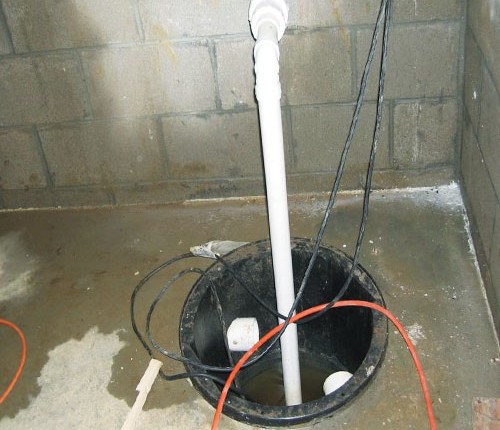 A 101 On Backflow
Prevention Devices
One of the most annoying, most inconvenient and the most harmful of all plumbing emergencies that you have to watch out for is backflow
Read more
A 101 On Backflow
Prevention Devices
One of the most annoying, most inconvenient and the most harmful of all plumbing emergencies that you have to watch out for is backflow
Read more
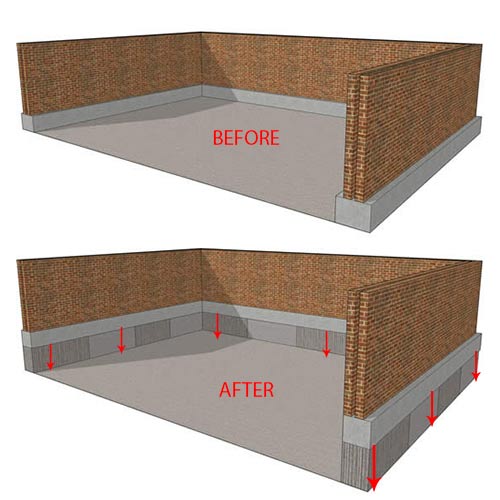 Buying a Home with
a Wet Basement
Before committing to a house, perhaps the most important step is to inspect the property with a professional a few times to make sure there are no hidden problems that might come up down the road.
Read more
Buying a Home with
a Wet Basement
Before committing to a house, perhaps the most important step is to inspect the property with a professional a few times to make sure there are no hidden problems that might come up down the road.
Read more
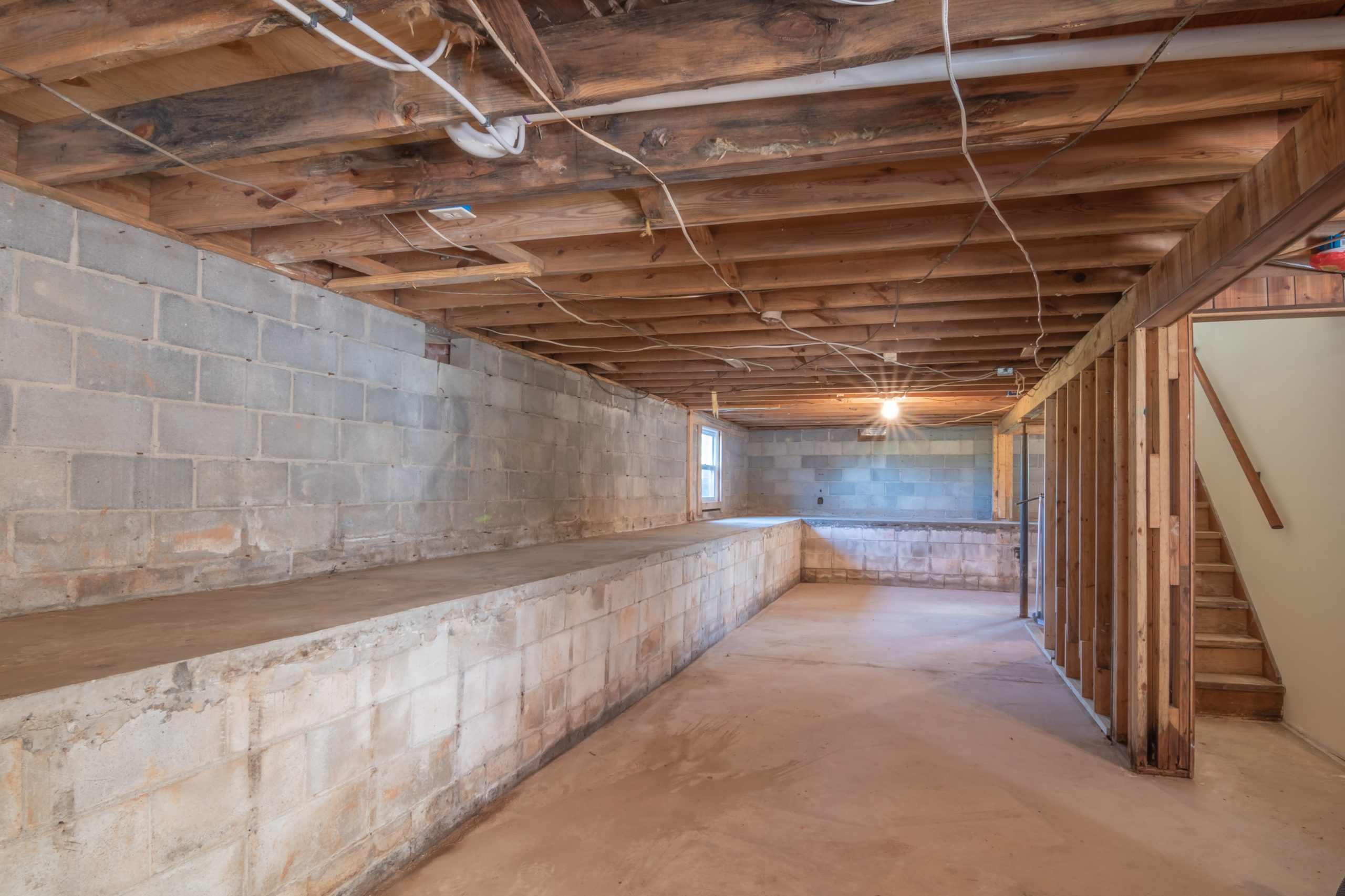 Will Your Wet
Basement
Pass a Home
Inspection?
It would be detrimental if you just put an offer on your home only to find that you have a leaky basement or the basement has had past flooding. What does a wet basement mean, and which options can you use to keep the basement dry? Water intrusion in the basement is common because basements are built below grade.
Read more
Will Your Wet
Basement
Pass a Home
Inspection?
It would be detrimental if you just put an offer on your home only to find that you have a leaky basement or the basement has had past flooding. What does a wet basement mean, and which options can you use to keep the basement dry? Water intrusion in the basement is common because basements are built below grade.
Read more


