Quality service since 1995


The summer is the ideal time to make those long awaited renovations to the house, and one of the thoughts on many homeowner minds is leaky basement waterproofing.
The wet basement problem might not be too obvious, but the musty smell will likely give it away. The first step in the leaky basement waterproofing process is to look for cracks and leaks. The cracks and other leaky spots in the basement can very easily be patched up before the potentially problematic summer storms or winter snow. During the dry months, take time to inspect the property thoroughly, and if possible involve an expert. Look for condensation and signs of old water stains on the ceiling and on the walls around the property. If any of these telltale signs are there, then it is time to get to work.
Believe it or not, the state of the rain gutters affects the basement. It is one of the most important thing in any leaky basement waterproofing exercise. When the rain gutters are clogged, any rain water or thawing ice from the roof is not transported away from the house and its foundations. The gutters are the first line of defense that the house has from rainwater, and they must therefore be clear and free of debris. While at it, also make sure the downspouts are pointing away from the property.
One common source of leaky basements is the lack or failure of pumps. Most people have their soil pumps working in good condition, but it does not help to make sure it will keep going during storms or heavy rains. Purchase a backup generator in case of power problems.
Most of these solutions are reactive, where one begins the basement waterproofing process after they discover leaks. Most people do not want to believe it, but a leaky basement is a problem that almost any house can suffer. It is therefore important to have systems in place that automatically alert the homeowner when there is a possible leakage situation. Most alarm systems are known to keep away burglars, but alarm systems can be connected to flood sensors, and are extremely beneficial, especially in areas that are prone to flooding.
Even though there is a lot of information available online, involve the professionals. There are some things that only a trained eye can be able to see – call Direct Waterproofing today: 416-454-7575
 How to Prevent
Moisture
in
Crawl Space
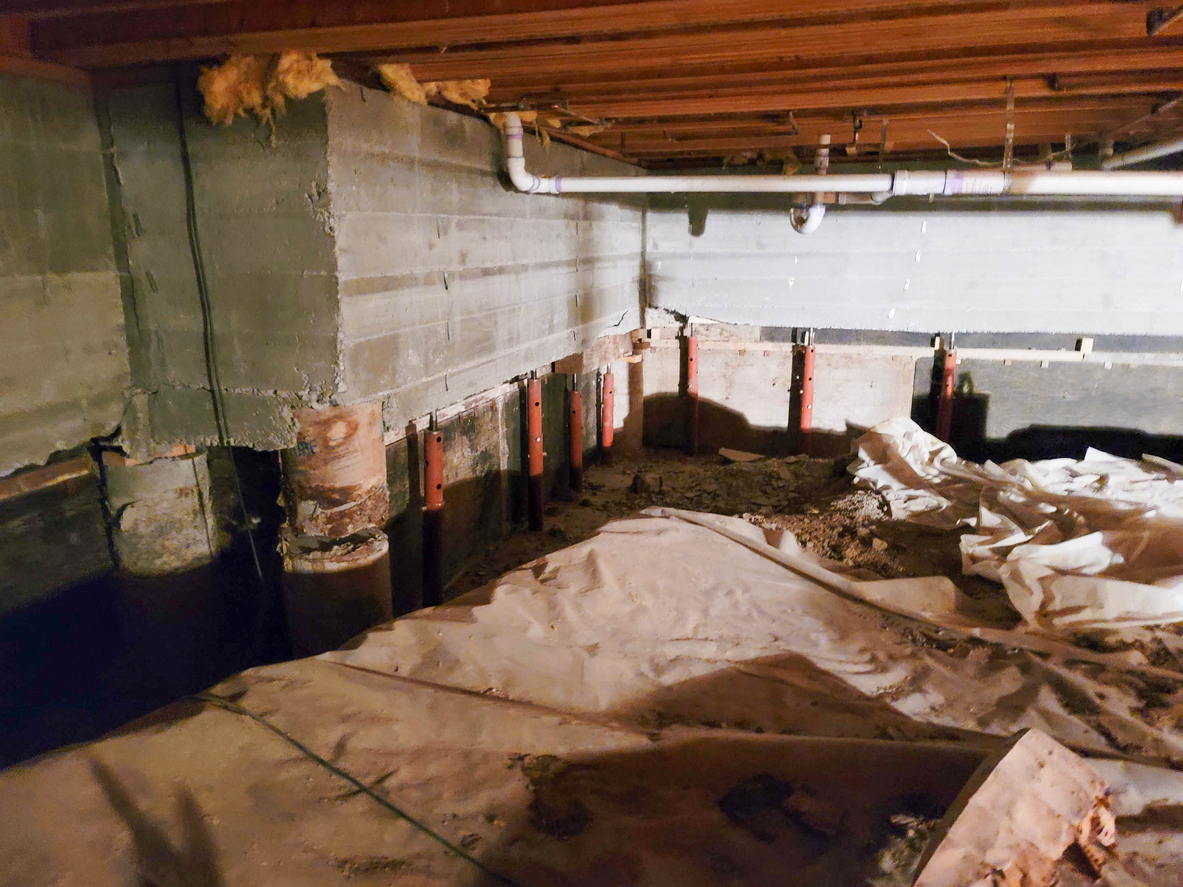
A crawl space home foundation is different from a basement or slab. Usually, crawl spaces have dirt or gravel floors and are not spacious like basements. A crawl space raises your home above the BFE (base flood elevation), meaning that in case there is a flood, your home cannot get wet.
Read more
 A 101 On Backflow
Prevention Devices
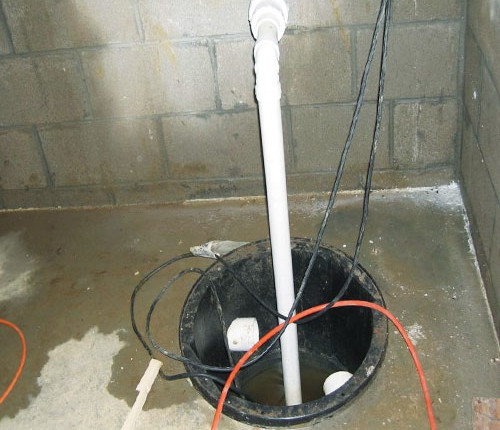
One of the most annoying, most inconvenient and the most harmful of all plumbing emergencies that you have to watch out for is backflow
Read more
 Tips for Choosing
The Best Basement
Waterproofing
Contractor
Looking far and wide for the expert basement waterproofing in Toronto? Finding a reliable waterproofing company is easier said than done.
Read more


