Quality service since 1995



If the drainage system around your home is poorly designed, a lot of water could be collecting around your foundation unnecessarily. A house is like a big system consisting of inter-related components. If one part of the house is destroyed, the entire system might suffer. Therefore, if water collects in the basement and damages it, the whole house will suffer. The same case applies if damage occurs on the yard, the roof, or any other part of the home, it will impact the rest of your house.
If your basement is leaking, the problem may not be in the basement alone. Another part of your home, including the roof, gutters, or the yard, could be causing the basement leak. The design of your roof and gutters will affect how much water gets into the basement. At Direct Waterproofing, we have a whole-house approach to waterproofing. We don’t just restrict our services to basement waterproofing – we focus on the entire house and the yard.
If you face wet basement leak problems, our experienced waterproofing experts have seen it and will know what to do. We have the right tools, expertise, and experience to keep your basement dry at all times.
A wet basement could lower your home’s value by 10-20%. If you have ever experienced basement flooding, you have to disclose this information when selling your home. An effective basement waterproofing system can help you keep the basement dry and preserve the value of your home. For the best results, the basement waterproofing system must be complete with a sump pump and a perimeter drain. Our reliable waterproofing services at Direct Waterproofing come with a written and transferrable warranty that you can pass to the new homeowner and assure them that they won’t experience basement leak problems.
Even if you have a basement waterproofing system in place, it’s important to take some necessary measures to prevent water from collecting around your home. Many causes of basement flooding are avoidable and easy to rectify. Regular maintenance or a simple one might be all you need to keep the basement dry. Following certain measures can improve your home’s drainage and take the load of the sump pump and keep your home dry.
The leading external causes of basement flooding that are easy to identify and rectify include:
Poor Grading in your Yard
For the best drainage, your house should sit at the highest point on your property. The yard that surrounds your house should slide downward, away from your house. With the right grading, the slope will direct the rainwater away from your house. The water won’t collect around the foundation, which might cause basement flooding and weaken the foundation.
The soils that were initially excavated when building your home’s foundation might settle over time, creating an area of improper or poor grading around your house. Improving the grading will prevent water from collecting around your house. Even if proper grading doesn’t eliminate basement flooding, it will lessen it.
Poorly Designed and Installed Downspouts
For an average-sized home, one inch of rainfall yields around 600 gallons of water. This water hits the roof, and it may end up in the foundation if it’s not drained properly. If the rain enters the gutters and goes to the foundation, you will have gallons of water added to your leaky basement problem. When the soil surrounding the foundation is saturated, the water will pass through the porous foundation wall into your basement.
Many downspouts of gutters discharge rainwater a few inches away from the foundation wall. However, to improve your home’s drainage and prevent water from accumulating around the basement, you should extend the downspouts to ensure they release water at a significant distance from your house.
Clogged Gutters
Just like poorly designed and installed downspouts, clogged gutters could direct rainwater towards your home’s foundation. In addition to this, clogged gutters may also lead to leaky roofs and rotting wood. Faulty gutters can also create frozen sidewalks and worn-out driveways, walkways, and steps.
Excessive exposure to water could make the wood siding develop mould. You should have the gutters cleaned to prevent the accumulation of leaves and debris, which is the leading cause of clogging. It’s advised to schedule one gutter cleaning in the spring and another in late fall. Some home inspectors and realtors recommend gutter cleaning and unclogging after every three months.
Clogged Window Wells
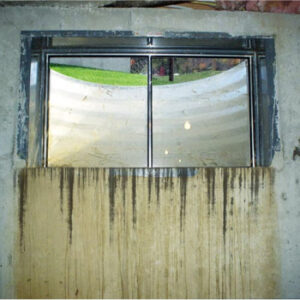
Many homeowners overlook and neglect the basement window wells. If the window wells go for a long time without proper maintenance, they start collecting dirt, leaves, and debris. This dirt clogs the window wells and impedes their ability to drain water.
When it rains or snows, water collects in the clogged basement window wells. This water makes its way to the basement through the basement windows. The situation is worse if the basement windows are rotten or severely rusted because they can’t hold water.
A significant amount of rainwater can enter the basement through the windows, leaving puddles on the floor and staining the basement windows. You should unclog the window wells and replace the faulty windows with new ones.
Find the Best Local Waterproofing Services
Our contractors at Direct Waterproofing understand all aspects of waterproofing. We will focus on your home as a whole and not just the basement. Our experts have everything it takes to transform your basement into a dry and liveable space irrespective of the damage level. Before we get started, we will conduct an onsite inspection and guide you through the basement waterproofing process.
 The Benefits of
a Walkout Basement
in the Home
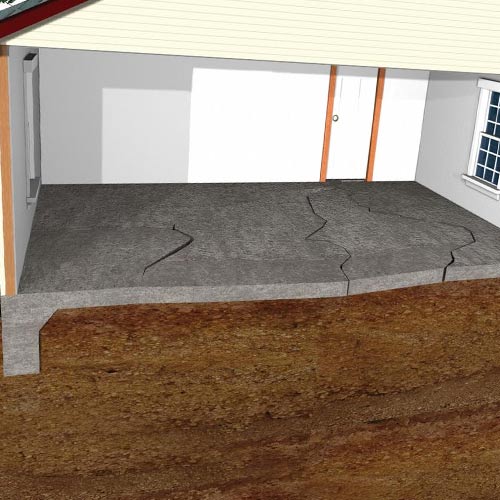
Ever thought of turning that dark and musty space into a comfortable living space. For most people, this has always been a possibility, but the amount of work involved including wet basement repair and electrical installations always seem like too much work.
Read more
The Benefits of
a Walkout Basement
in the Home
Ever thought of turning that dark and musty space into a comfortable living space. For most people, this has always been a possibility, but the amount of work involved including wet basement repair and electrical installations always seem like too much work.
Read more
 Difference Between
Structural and
Non-structural Cracks
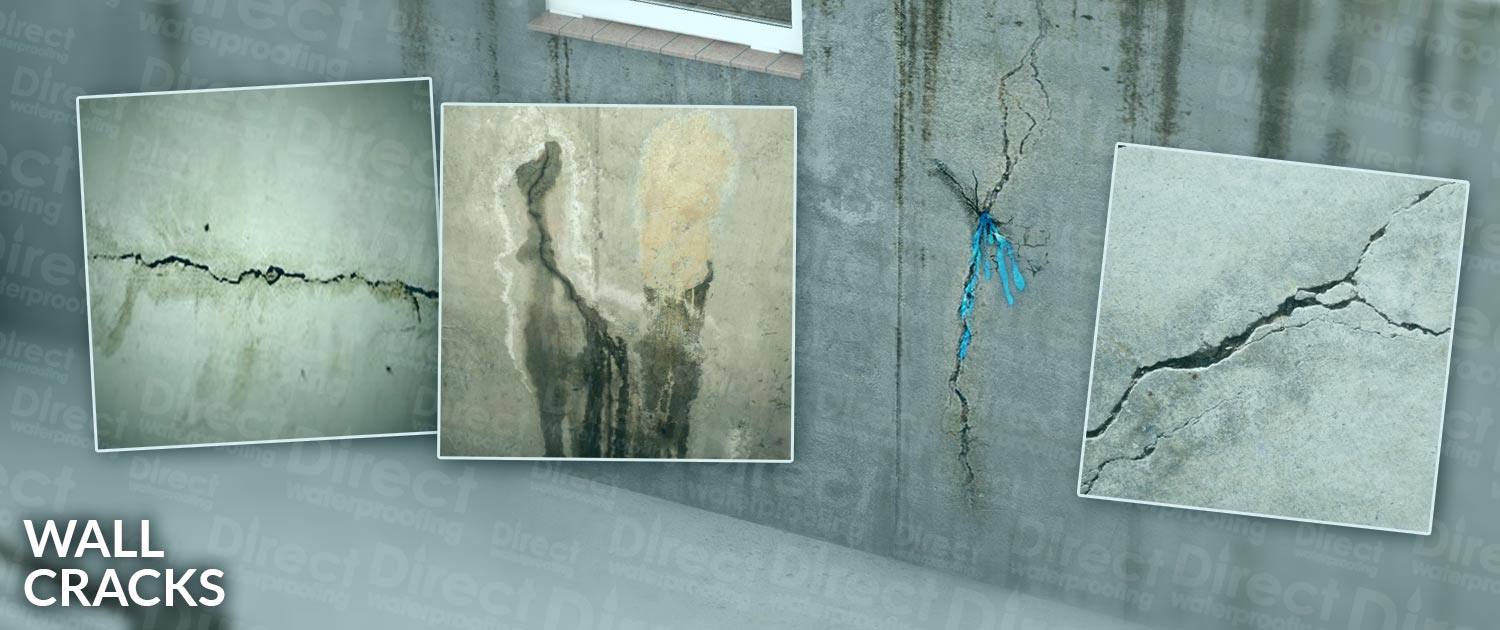
Cracks typically start as minor blemishes on the wall and widen with time. If not addressed, they could lead to water damage and compromise your building’s foundation's stability.
Read more
Difference Between
Structural and
Non-structural Cracks
Cracks typically start as minor blemishes on the wall and widen with time. If not addressed, they could lead to water damage and compromise your building’s foundation's stability.
Read more
 Why You Should
Always Hire
a Professional
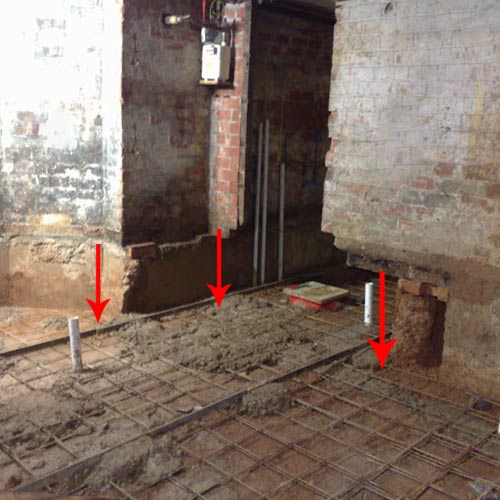
If you’re having waterproofing issues, it might seem as a good and less expensive idea to do it yourself.
Read more
Why You Should
Always Hire
a Professional
If you’re having waterproofing issues, it might seem as a good and less expensive idea to do it yourself.
Read more


