Quality service since 1995



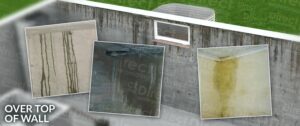
Waterproofing involves forming an impervious barrier over the surface area of walls, roofs, foundations, and other building structures. It aims to prevent water leakage through cracks or surfaces. Professional basement waterproofing contractors use different terrace waterproofing materials and methods:
The cementitious waterproofing method involves applying a thin layer of coating, starting with a primer coat and then two topcoats. The experts use trowels, spray, or rollers to apply the coating. Cementitious waterproofing offers a wide range of benefits. It provides a seamless coating system and is weather and abrasion-resistant. It has an excellent bonding capability, making it ideal for both porous and non-porous surfaces. It works great with both negative and positive side pressure.
Liquid Waterproofing Membrane
A liquid waterproofing membrane comes in handy in protecting many structures. The flexible membranes are spray or hand applied onto surfaces like terraces, podium decks, and balconies. The leading benefits of liquid waterproofing membrane include the ease of application. The liquid waterproofing membrane is easy to apply even when waterproofing complex areas with lots of detail. Liquid waterproofing membranes form a solid membrane with no joints or seams, which are the common areas where most waterproofing methods fail. This waterproofing method will continue to perform even when exposed to extreme weather conditions. A liquid waterproofing membrane can expand and contract as the temperature fluctuates.
Bituminous Coating Waterproofing
The alternative name for bituminous coating waterproofing is asphalt coating. It’s an excellent waterproofing and protective coating agent, ideal for terraces. This coating is applied based on the polymerization grade and formulation. Since the coating is made of bitumen-based material, prolonged exposure to sunlight might make it brittle. However, when treated with flexible materials like polyurethane, it can withstand sun exposure.
Bituminous Membrane Waterproofing
Bituminous membrane waterproofing has a tried-and-tested performance record. This waterproofing method comes in two varieties: self-adhesive membrane and torch-on membrane. The self-adhesive membrane consists of polymers, asphalt, and fillers. The self-adhesive option has a low shelf life because the bonding properties of the membrane reduce over time. It consists of organic liquids that are highly sticky and waterproof. The torch on the membrane relies on a fire touch to melt the bituminous membrane for bonding. This waterproofing method is popular on low-shaped terraces.
Polyurethane Liquid Membrane Waterproofing
This waterproofing method is ideal for flat terraces. Even if the waterproofing method is expensive, it offers high flexibility and reliability. The leading benefits of polyurethane liquid membrane waterproofing include impermeability, making it effective in keeping water out of the terrace. The waterproofing method offers a high level of flexibility and can withstand building structures’ normal movements, including contortion, distortion, and earthquake activity. This waterproofing method can retain its integrity for long periods due to its durability. Due to its breathability, it allows moisture vapours from the interior to escape easily. The membrane has a high resistance and can withstand environmental and climatic conditions.
Waterproofing of Terrace Roof
Your roof is one of the most important aspects of your home. Outdoor living is an important consideration in the design of a building. You can use the roof door space to create a roof terrace. You should invest in qualified terrace waterproofing to prevent leakage during heavy rainfall. Proper terrace waterproofing also helps prevent heat loss during winters and summers. Direct Waterproofing provides reliable terrace waterproofing solutions.
Terrace Waterproofing Procedure
The first step in terrace waterproofing is surface preparation. This step involves:
The second step in terrace waterproofing is a coating that entails:
The application of a protective layer is the third step in the terrace waterproofing process. It entails:
Brick Bat Coba Treatment is the fourth step in terrace waterproofing, and it involves the following activities:
Terrace waterproofing helps prevent leaks, protects smooth surfaces, seal cracks, and keep the roof structurally-strong. The terrace or roof is an integral part of a building, and it’s often exposed to harsh weather conditions like rainfall and direct sunlight. Direct Waterproofing provides the best terrace waterproofing services in Toronto.
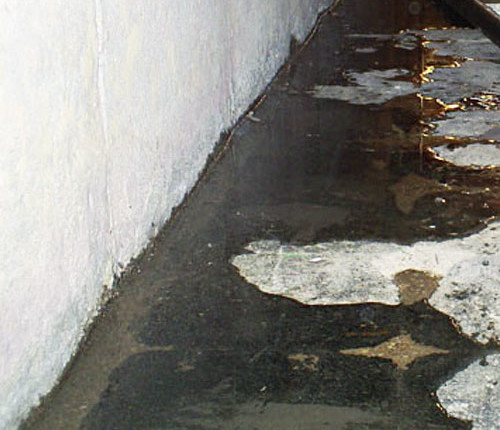 Drainage Systems
Help to Avoid
Basement Flooding
If you face wet basement problems, our experienced waterproofing experts have seen it and will know what to do. We have the right tools, expertise, and experience to keep your basement dry at all times.
Read more
Drainage Systems
Help to Avoid
Basement Flooding
If you face wet basement problems, our experienced waterproofing experts have seen it and will know what to do. We have the right tools, expertise, and experience to keep your basement dry at all times.
Read more
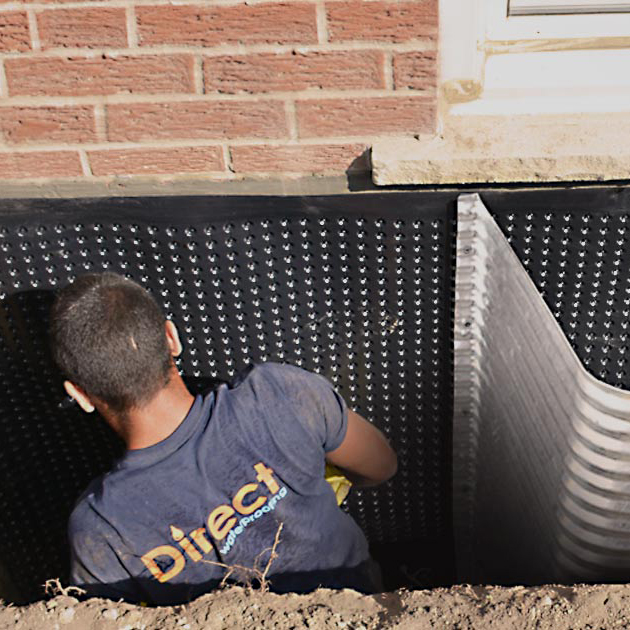 Cost of Underpinning
Basement in Toronto
Have you been getting worried by the fractures and heaving on your floors that can? You shouldn’t. Most homeowners experience situations where the doors get blocked by raised floors ...
Read more
Cost of Underpinning
Basement in Toronto
Have you been getting worried by the fractures and heaving on your floors that can? You shouldn’t. Most homeowners experience situations where the doors get blocked by raised floors ...
Read more
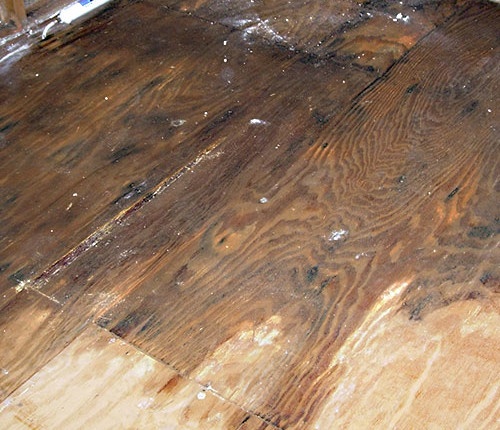 Main Causes
of Wet Basements
The history of flooding in Canada includes floods caused many natural causes with most home insurance claims in Canada deal with water damage due to sewer back-up, not fire related damage.
Read more
Main Causes
of Wet Basements
The history of flooding in Canada includes floods caused many natural causes with most home insurance claims in Canada deal with water damage due to sewer back-up, not fire related damage.
Read more


