Quality service since 1995



Noticing cracks on your property could be problematic. Any crack, irrespective of its size, is a threat to your property. Cracks typically start as minor blemishes on the wall and widen with time. If not addressed, they could lead to water damage and compromise your building’s foundation’s stability. There are two types of cracks: structural and non-structural. Our expert at Direct Waterproofing will inspect the cracks and inform you accordingly.
Structural and non-structural cracks have different causes. Most cracks start of as non-structural. However, as water penetrates through them, they widen and compromise the integrity of your building. A crack maybe just a sign of ageing; however, you shouldn’t ignore it no matter how minor it seems.
What is the difference between structural cracks and non-structural cracks?
Non-structural cracks commonly occur on the foundation but do not pose a threat to your home’s structural integrity. The leading causes of non-structural cracks include temperature changes, weather conditions, and changes in moisture content. The foundation may develop non-structural cracks naturally when exposed to severe conditions. Other common causes of non-structural cracks are:
When they first occur, non-structural cracks are usually the size of a hairline with a width of fewer than three millimetres. It’s worth noting that you should still seek professional monitoring and treatment of non-structural cracks because they could turn into structural cracks if neglected.
The treatment for non-structural cracks is injection with a sealant resin. The resin prevents the crack from widening and protects the foundation from future leaks.
Structural cracks may result from a variety of issues. The common causes of structural cracks are:
Other problems often accompany structural cracks. The accompanying problems include doors and windows that can’t close and sloping floors. Structural cracks could be vertical, horizontal, diagonal, and may also resemble a staircase. The cracks may appear in beams, foundation walls, or foundation slabs. Usually, structural cracks extend to the upper floors of a building and are wider than non-structural cracks.
Our experts can repair structural cracks from the inside or the outside of the building, depending on the particular situation. If your home has extensive cracks and leaks, an exterior weeping tile drainage system or a French interior drain is the solution. The solution for structural cracks includes injection with a high pressure fitting to create a permanent seal.
A structural crack should be addressed immediately because it’s a risk to your home. Non-structural cracks also require constant monitoring to prevent them from becoming worse or developing into structural cracks.
You need to understand the type of foundation crack to know how to repair it. Below are the common types of foundation cracks:
Horizontal cracks in the basement mainly occur due to hydrostatic water pressure pressing against the foundation and unbalanced soil. Horizontal cracks in the basement could cause water to leak into the basement or make the foundation bow inwards. Block and poured foundations are prone to horizontal cracks. Horizontal cracks mainly develop close to the frost line due to the freezing and thawing cycle.
Stair step cracks are mainly common in block foundations. The cracks pose a threat to your basement’s integrity. They mostly occur along mortar joints. There are two leading causes of stair-step cracks: sinking in one area or foundation settlement and moisture-related issues outside the foundation. You should call a professional to perform an inspection and a repair contractor if the crack is wider than a hairline.
The common causes of hairline cracks are drying and settling of a new foundation. These cracks are mainly common in newly constructed buildings; they occur within one year after construction. Most hairline cracks are cosmetic and easy to repair. If you notice a hairline crack in a home you recently bought, you should contact your home builder to determine if your warranty will cover the crack repair.
Unlike horizontal cracks, vertical cracks are less serious and do not pose a structural threat to your house. The cracks are common in poured foundations and usually run from the top to the bottom of a wall. Vertical cracks are common in the basements and result from concrete curling and foundation settling.
Most diagonal cracks don’t pose a threat to the structural integrity of your foundation. They occur due to the settlement of the foundation and the natural curling of concrete over time. The common repair for diagonal cracks is epoxy injection. If you spot a diagonal crack, you should monitor it and consult a repair contractor if the crack continues to widen.
When poured foundations dry and lose moisture, shrink cracks might occur. Newly built homes are prone to shrinkage cracks in the first year after construction. Shrinkage cracks are usually vertical, and they don’t pose a challenge to your foundation’s structural integrity. Just like hairline cracks, shrinkage cracks may be covered under your home warranty.
Poured concrete slabs on your foundation are prone to cracks. Some of the reasons why foundation slab cracks occur include slab settlement, concrete curling, and frost heave. The natural curling and drying of the concrete slab is the leading cause of these cracks. If the cracks are due to slab settlement, it’s an indication of poor workmanship. If the crack is larger than a hairline, you should contact a foundation expert for an assessment.
A non-structural crack won’t pose a threat to your foundation’s structural integrity. However, non-structural cracks could lead to leaks during heavy rains or snowmelt. Even if the crack isn’t a threat to the foundation, it might allow water to seep into the basement. Therefore, you should seek professional inspection and repair for non-structural cracks. If not repaired promptly, the cracks may get worse and develop into structural cracks.
These cracks occur when the foundation shrinks as a result of water evaporation from the concrete. This normally happens in the first month after the foundation is poured. The level of shrinkage will depend on how wet the concrete was. At Direct Waterproofing, we use urethane as a sealing material if the foundation crack is wet and constantly leaking. Urethane is flexible, and this makes it easy to inject into cracks.
Unlike the non-structural cracks, structural foundation cracks are serious because they pose a risk to your building’s structural integrity. These cracks are a result of movement caused by soil shrinkage, temperature changes, or soil pressure. Epoxy is the ideal material to fill structural foundation cracks. Epoxy alone might not be enough to address structural cracks. Further reinforcement with countersunk staples (carbon fibre) might be necessary.
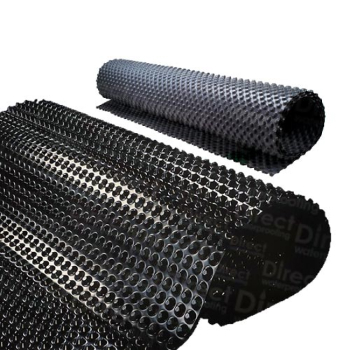 The Benefits Of
The Waterproofing
Platon Membrane
Having a dry basement is a top priority for any homeowner. One product that can help with wet basement waterproofing is the Platon.
Read more
The Benefits Of
The Waterproofing
Platon Membrane
Having a dry basement is a top priority for any homeowner. One product that can help with wet basement waterproofing is the Platon.
Read more
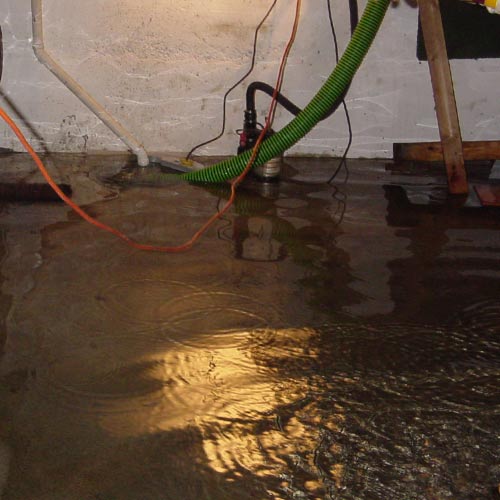 How Can You Fix
a Leaky Basement
on Different Types
of Foundation Walls?
Do you have a leaking basement foundation wall? This could be because building codes in Ontario have never called for waterproofing in home construction. Regardless of the type of foundation ...
Read more
How Can You Fix
a Leaky Basement
on Different Types
of Foundation Walls?
Do you have a leaking basement foundation wall? This could be because building codes in Ontario have never called for waterproofing in home construction. Regardless of the type of foundation ...
Read more
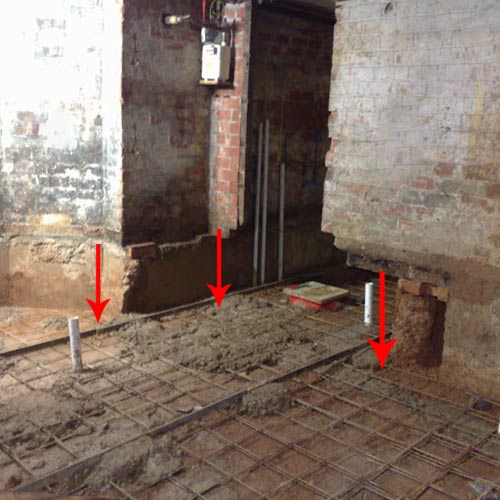 Why You Should
Always Hire
a Professional
If you’re having waterproofing issues, it might seem as a good and less expensive idea to do it yourself.
Read more
Why You Should
Always Hire
a Professional
If you’re having waterproofing issues, it might seem as a good and less expensive idea to do it yourself.
Read more


