Quality service since 1995



Drainage problems are hard to uncover. By the time you are noticing puddles after a rainstorm, the problems may have already gone too far. Most drainage issues go undetected for many years. They only become obvious when the foundation starts to crack. Once a drainage issue has been identified, it is paramount that you get it fixed as soon as possible.
While it is possible to handle waterproofing jobs on your own, getting a weeping tile installed is not only labour-intensive but also requires a certain level of expertise which you can only get from a waterproofing company. Below are important pieces of information you should know about weeping tiles.
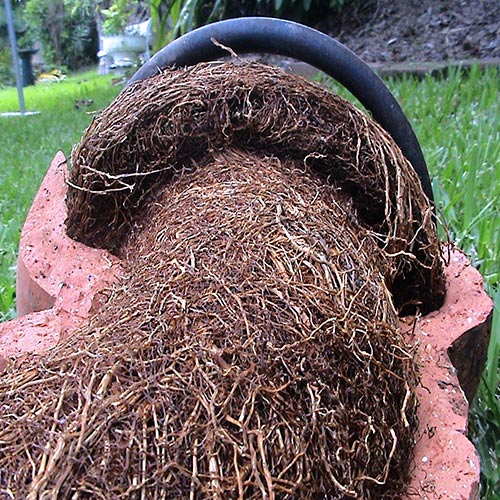
These are porous 4-inch pipes that are used to remove underground water. They got their names at a time when terracotta tiles were used as drain pipes. Today, these products are available as plastic pipes that have weep holes or, at times, small slits that direct water away from the house.
Weeping tiles use a very simple concept. The plastic pipes are installed in a trench around the perimeter of your home or under the basement floors. When groundwater rises, the water flows into the pipe through the holes or slits. The pipe is inclined so that water runs through it and is discharged from your home. A sump pump may also be installed to pump the water away.
There are basically two types of weeping tile systems:
This is also known as French drains. The system manages water at the ground level before it gets to the basement. The system features a sloped trench which, when water soaks into the ground, it gets filtered through the gravel into the pipe and then gets channeled away from the house.
This system is used when an exterior weeping pipe fails. It is installed in the basement floor, where it directs water to a sump pit. A sump pump pumps the water from the sump pit to the exterior sewer. Getting a French drain installed in the basement floor is the same as getting a sump pump installed. In this case, a 12-inch deep and 12-inch wide trench is cut around the basement’s perimeter. A pipe is then placed in the trench and filled with gravel before being covered with concrete.
There are four steps involved in the installation of an exterior weeping tile:
A trench that is 12-inches wide is dug around the perimeter of the house. The trench has to slope one inch for every 8 feet and extend down to the footings.
2 to 3 inches of washed gravel is poured to line the bottom of the trench. River or granite gravel that is less than 1-inch is size is the best. Gravel helps the water to drain without clogging.
A fabric-covered PVC pipe with pre-drilled holes is laid in the trench then covered with stone or by wrapping the pipe with landscape fabric.
The trench is then filled with gravel or a combination of gravel and sand. You can also add dirt with sod to conceal the weeping pipe.
You need a circular saw and chipping hammer to cut out the concrete. The opening needs to be 12-inches wide and should run around the foundation floor. A trench that is 1 to 2 feet deep is dug on the gravel below.
Although there is some gravel below the floor, you need to add washed gravel to fill the bottom of the area you excavated.
A fabric-covered PVC pipe with slits or holes is laid in the trench. The slits/holes should be facing upward. The weeping tiles should cover the whole perimeter of the basement and end at the sump pump.
After connecting the drain system to a sump pit, you need to cover the trench with gravel, then pour the concrete in and smooth it.
The weeping pipe can be used for backyard drainage and window well drainage. However, to get the best performance, you need to keep it clean. You should clean it with a large plunger and liquid soap and water. The soapy water needs to be left in for at least 30 minutes to neutralize the odour. Hiring a waterproofing expert can help with the inspection and maintenance of your weeping tile. Basement waterproofing involves techniques and materials used to prevent water from penetrating the basement of a house or a building.
 Protecting
the Basement
in the Summer
The summer is the ideal time to make those long awaited renovations to the house, and one of the thoughts on many homeowner minds is leaky basement waterproofing.
Read more
Protecting
the Basement
in the Summer
The summer is the ideal time to make those long awaited renovations to the house, and one of the thoughts on many homeowner minds is leaky basement waterproofing.
Read more
 Will Your Wet
Basement
Pass a Home
Inspection?
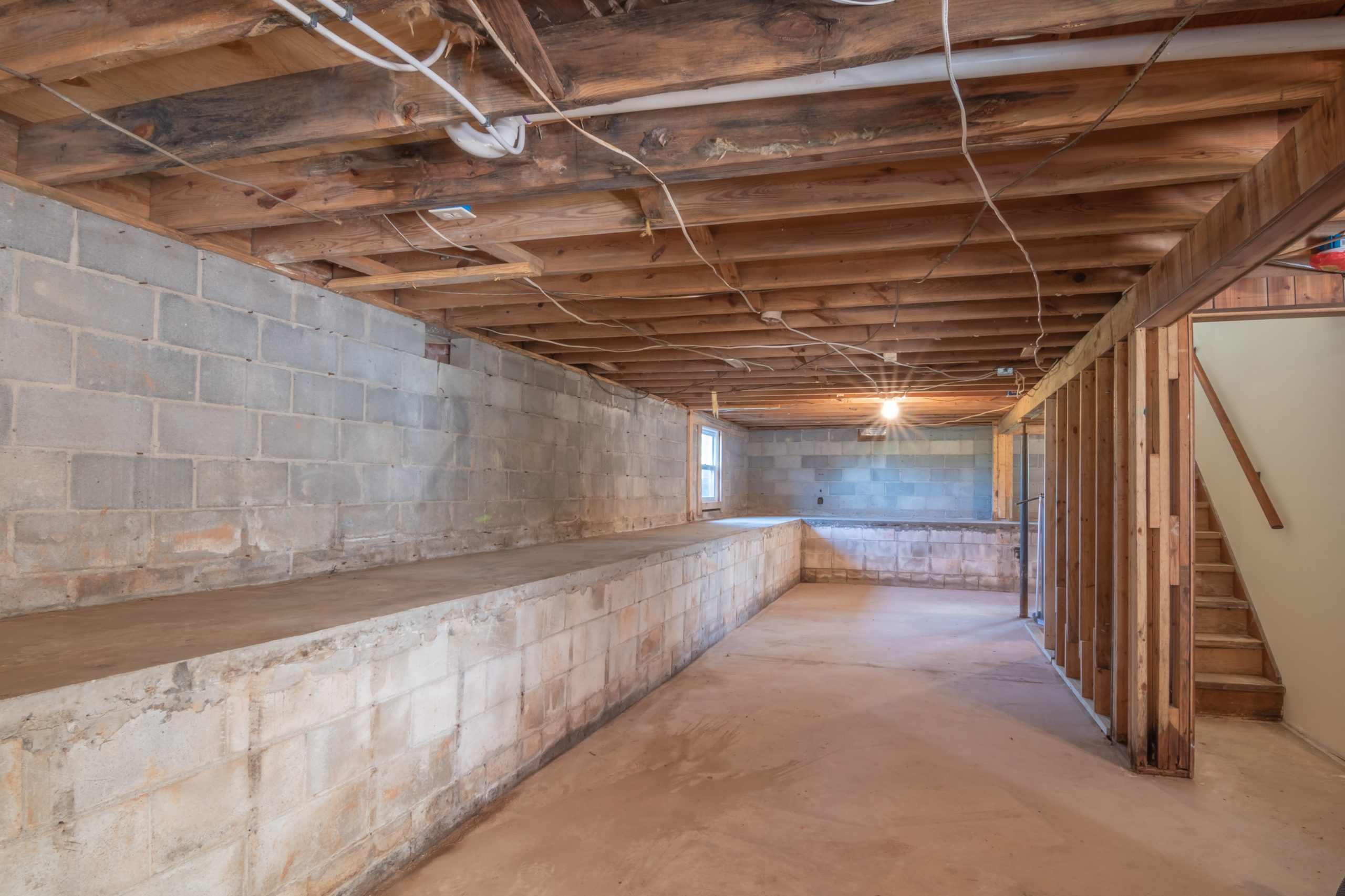
It would be detrimental if you just put an offer on your home only to find that you have a leaky basement or the basement has had past flooding. What does a wet basement mean, and which options can you use to keep the basement dry? Water intrusion in the basement is common because basements are built below grade.
Read more
Will Your Wet
Basement
Pass a Home
Inspection?
It would be detrimental if you just put an offer on your home only to find that you have a leaky basement or the basement has had past flooding. What does a wet basement mean, and which options can you use to keep the basement dry? Water intrusion in the basement is common because basements are built below grade.
Read more
 5 Simple Steps For
Mold Removal and
Waterproofing
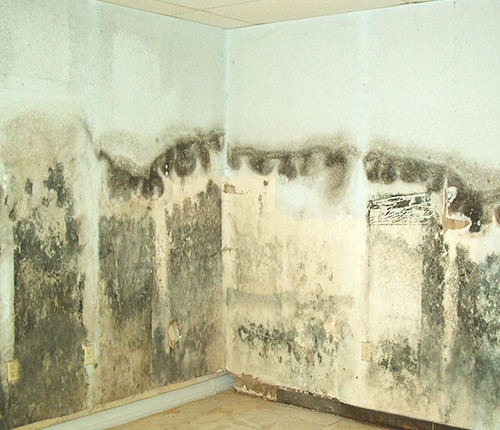
Let’s take a look at the five simple steps you need to know when it comes to mold removal and basement waterproofing.
Read more
5 Simple Steps For
Mold Removal and
Waterproofing
Let’s take a look at the five simple steps you need to know when it comes to mold removal and basement waterproofing.
Read more


