Quality service since 1995



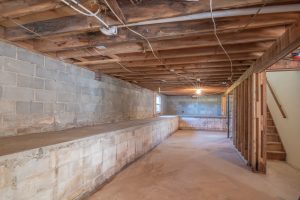
It would be detrimental if you just put an offer on your home only to find that you have a leaky basement or the basement has had past flooding. What does a wet basement mean, and which options can you use to keep the basement dry? Water intrusion in the basement is common because basements are built below grade. A wet or damp basement has many adverse consequences, including mould and mildew growth, damage to stored items, and rotted wood. A problem of water in the basement is an issue no potential homebuyer wants in a home inspection.
Your basement might only be damp during certain periods of the year. In other cases, the basement might leak whenever it rains. Perhaps your basement has had the previous flooding. You have a reason to worry in all these scenarios, given the adverse effects of water intrusion into the basement.
When you first notice a leaky basement, you will probably wonder, will it pass a wet basement inspection? Finding evidence of water intrusion in the basement is devastating. However, that should not dash your hopes of buying your dream home. You can save time and money in the long term by taking the proper measures to prevent your basement from further water intrusion, which will allow you to prevent and save on basement leak repair. You should act now, whether you are dealing with water coming up through the basement floor or you have leaky foundation walls.
There are many causes of wet basements. Below are some tips that can help home buyers during a water seepage inspection to identify the extent of the problem:
Many states have disclosure requirements, meaning that homeowners must disclose all information around water damage or water intrusion in the basement. However, other states have caveat emptor meaning that the seller does not have to disclose the defects with a property while engaging in real estate transactions. In the latter case, the homebuyer might not learn about a leaky basement prior to the home inspection.
So, will a wet basement pass inspection? When purchasing a home in a non-disclosure state, the law requires sellers to answer all questions that a homebuyer asks honestly. For example, if the homebuyer asks about the past basement water issues, the home seller should not conceal any information. As a buyer, you should ensure that you ask all the relevant questions. If the home you intend to buy comes with a basement waterproofing system, ensure that you ask for records or receipts of the work done and the warranty for the system. The basement waterproofing system comprises of sump pump and drainage pipes.
Homebuyers should also check the slope of the lawn surrounding the house they intend to buy. Depending on the location of a house on a property, rainwater may flow towards it or away from it. If the house does not have a proper slope, rainwater might pool close to the foundation. This water might end up leaking into the basement.
The problem of an improper slope can be solved by re-grading or removing dirt from the home’s foundation. The lawn should slope away from the home’s foundation by a minimum of half an inch per foot for at least 10 feet. This is according to Building America Solution Center’s Recommendation.
It is advisable to avoid planting plants that need lots of water close to the foundation because the excess water might end up seeping into the foundation. Instead, foundation plantings should be restricted to draught-resistant plants.
A homebuyer can identify a potential wet basement issue by checking the gutters and the downspouts. The gutters and the downspouts should drain water away from the home’s foundation. This helps reduce the risk of erosion, damaged siding, flooded basement, and damages to the landscaping. If the downspouts are too short, they might lead to the pooling of water close to the foundation.
Some houses have no rain gutters, mainly those built-in dry climates. Others have poorly maintained gutters full of leaves or plants growing out of them. In these two scenarios, rainwater might collect close to the foundation, leading to water intrusion into the basement.
Rain gutters should be free from leaves, dirt, and debris to ensure that they can efficiently channel water away from the foundation. This means installing high-quality gutters and ensuring that you clean the gutters at least twice a year to prevent clogging.
Many homeowners are shifting away from the conventional sectional gutters and embracing the modern seamless gutters. Conventional sectional gutters consist of sections that are joined together and sealed to ensure there are no leakages. Seamless gutters are advanced and less prone to leaks because of their seam-free style. Homeowners are opting for seamless systems with built-in gutter guards to prevent clogs and leakages; these systems eliminate the need to install two separate products. There is no risk of clogging, sagging, or having the gutters pull away from the house with this system.
Installing downspout extensions helps prevent runoff water from pooling around a home’s foundation. These extensions should extend a minimum of three feet from the house. Lengthening the downspouts is an effective and affordable solution. However, even with a downspout extension, complete basement waterproofing might still be crucial to help solve the basement moisture problem permanently.
A common sign of mould and mildew is a musty, unpleasant smell in the basement. You are more likely to notice a musty smell during humid or damp weather. This is because moisture build-up in the basement could quickly lead to mould growth. Mould spores could have adverse effects like triggering allergic reactions, destroying wood studs, causing staining, and damaging drywall, floor joists, and carpets.
Whenever you notice visible mould in the basement or a musty smell, the first step should be to trace the leaks that could lead to mould and mildew growth. The common sources of basement leaks include:
Channelling water away from a home’s foundation can help solve minor water seepage and leaks. However, the effective solution for a constantly wet or damp basement involves installing a drainage system.
Even after fixing the leaks in the basement, you might notice that the basement is still wet. In this case, you might have an issue with humidity. A home inspector can test a home’s humidity levels using a hygrometer. Mould growth will thrive if the humidity levels are at 60 percent or higher.
If the damp basement is due to high humidity levels, installing a dehumidifier can help solve the humidity issue that is making the basement musty or damp. When choosing the right dehumidifier for your basement, you should ensure that you consider its capacity. Ensure that you also choose a dehumidifier capable of draining or automatically pumping out the collected water. If the dehumidifier lacks this capacity, you may have to keep emptying the bucket, especially during humid air.
Cracks in the Foundation and Walls
If water constantly pools by a home’s foundation, there is a significant problem, especially if there is clay soil beneath the foundation. Soils with a high clay content often swell when wet, exerting pressure on the exterior foundation walls. This pressure increases the risk of foundation shifting and cracking. Frost heaves that occur during freeze-thaw cycles are also a leading cause of foundation damage.
You may require the installation of an interior drainage system if there are several cracks in the basement walls. Other common methods of waterproofing the basement walls include membranes and waterproof paint. These waterproofing methods help to prevent moisture or water from outside from seeping through the basement walls. However, waterproof paints and membranes are not permanent waterproofing solutions because they allow the build-up of hydrostatic pressure against the foundation. With this pressure build-up, even the smallest gap in the foundation wall will significantly leak.
A more permanent waterproofing solution involves installing an interior basement drain and a sump pump system. This waterproofing system does not work against water pressure. The interior waterproofing system helps to trap groundwater before it seeps into the basement floor while the sump pump pumps the water from the house.
An existing drainage system and sump pump in the home you intend to buy is good news because it means that the previous homeowner addressed the previous water intrusion into the basement. However, homebuyers should always check the existing drainage systems’ condition and effectiveness.
Homes constructed in areas with high water tables usually have French drains. French drains are underground pipes that prevent water intrusion. Exterior drainage systems are expensive to install in already built homes. These drainage systems are also prone to clogging from roots, silts, and pests. You should have the exterior drainage systems cleaned at least once per year to enhance proper drainage. You can have a professional inspect the French drains regularly to check for debris build-up, which could lead to clogging.
If you intend to fix basement water problems in an existing home, an interior drainage system is more practical. An interior drainage system collects water that seeps into the basement through the basement walls and groundwater from below the basement floor and directs it to a sump pump. The sump pump then removes this water from the basement and away from the foundation.
During periods of high rains or flooding, a quality sump pump is a valuable asset. The pump will turn on when water reaches a certain level in the basement floor or the sump pit and pump the water outside your basement. When the sump pump turns on will vary depending on the type of sump pump you have.
You should consider installing a battery-powered pump since a sump pump cannot work without electricity. When there is a power outage, the sump pump can still function on the battery to remove water from your basement.
A common DIY waterproofing option for homeowners who seek to keep moisture from their homes is waterproofing paint. Waterproofing paint is heavier than the paint you would use on your regular walls. This paint works by creating a water barrier. How best the waterproofing paint works will vary depending on the extent of the water seepage issue. Even if waterproofing paint may provide a temporary solution to basement leakage, it does not offer a permanent solution. The waterproofing paint will not be effective for long, especially if your basement contains large cracks.
Homebuyers should err on the side of caution, especially if the basement is finished. Waterproofing paint and other remodelling work done in the basement could be covering up moisture stains and cracks. Ensure that you ask the home seller about any past water issues in the basement.
During a water seepage inspection, many inspectors use a moisture meter. This meter detects the differences in the moisture levels throughout a home. If there is a high moisture reading in your basement, it could be a sign of water seepage that you don’t see.
A high water table is common in soils with high clay content or low-lying areas. The water table could be an all-time high or seasonal. The water table is likely to rise during prolonged periods of rainfall when the soil has a high water content but limited drainage. The water table mainly rises during winter and early spring. During this time, the snow melts, and spring rain releases more water. As the surface water seeps into the ground, the water table rises. If the water has nowhere to go, it eventually finds its way into your basement.
The water comes up through the floor when the water table rises above the basement floor. If you notice pooling water in the yard, the most common cause is poor drainage. However, the pooling water could also result from a high water table.
During a home inspection basement, a home buyer should seek helpful resources to help them understand the depth of the water table in their area. A home buyer can also ask the local extension officer or neighbours about the water table and specific soils in the area.
If the basement of the home you intend to buy was waterproofed, you should ensure that you ask the seller about the warranty for the waterproofing. If you happen to face future basement leakage issues, you can contact the company that installed the waterproofing system.
Most local basement waterproofing contractors give lifetime warranties. These warranties are transferrable to the next homeowner. These warranties usually apply to interior drainage systems. Some basement waterproofing contracts also offer a labour warranty.
Homebuyers should ensure that they understand what a homeowner’s insurance policy covers to prevent them from worrying about future water problems. Whether the homeowner’s insurance covers basement water damage depends on the cause of the damage. Most homeowner’s insurance policies cover damages resulting from sudden or accidental events like a broken washing machine or burst pipes. Most policies do not cover water damage caused by a rising water table due to rainstorms, hurricanes, melting snow, and other weather events. Ensure that you read the policy document and understand the coverage details.
Many homeowners do not call a contractor to solve basement water issues because they fear the huge costs associated with repairing the leakage. However, every basement is unique. At times, solving a basement leak may be as simple as extending the downspouts and mending the cracks. A dry basement has many advantages, including creating additional storage space or a living area.
Experienced basement waterproofing experts can help you distinguish between a minor basement leak and major water leakage. It might not cost you anything to find out about the extent of the problem since most contractors provide free estimates. With the right combination of waterproofing solutions, no basement leak is impossible to repair.
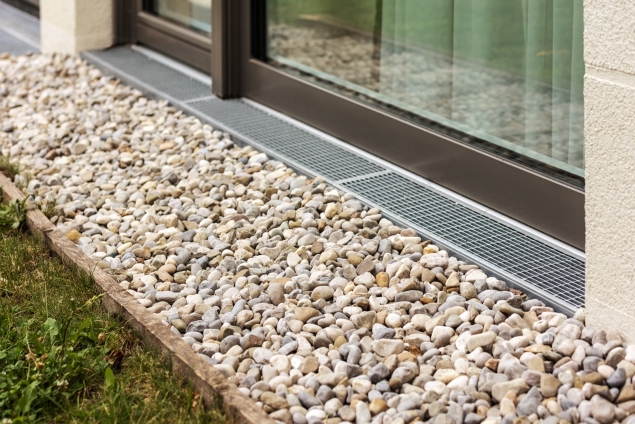 What is a Drainage Tile
and
How to Use It
What do drain tiles do, and what does a drain tile system look like? Let our contractors sepcialized in basement waterproofing Toronto answer this.
Read more
What is a Drainage Tile
and
How to Use It
What do drain tiles do, and what does a drain tile system look like? Let our contractors sepcialized in basement waterproofing Toronto answer this.
Read more
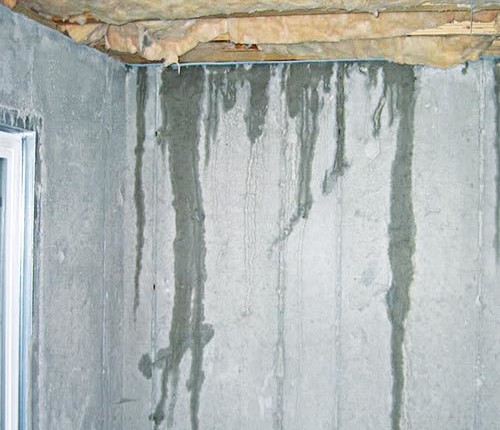 Reasons Why Water
Is Coming Over Top
of Foundation Wall
There are several signs that show your basement to develops leakages, and each sign aids to identify the specific concern. Direct Waterproofing helps you assess the problem and confirm any signs of leakage.
Read more
Reasons Why Water
Is Coming Over Top
of Foundation Wall
There are several signs that show your basement to develops leakages, and each sign aids to identify the specific concern. Direct Waterproofing helps you assess the problem and confirm any signs of leakage.
Read more
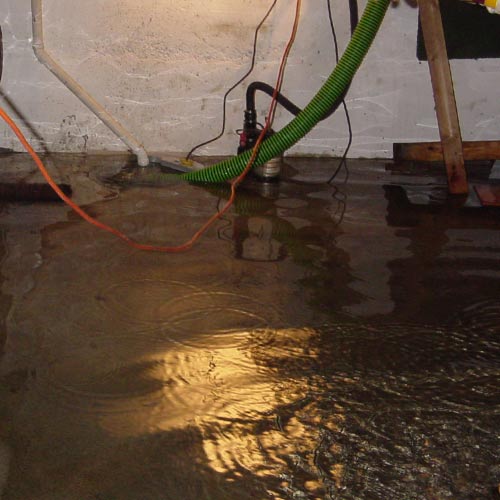 How Can You Fix
a Leaky Basement
on Different Types
of Foundation Walls?
Do you have a leaking basement foundation wall? This could be because building codes in Ontario have never called for waterproofing in home construction. Regardless of the type of foundation ...
Read more
How Can You Fix
a Leaky Basement
on Different Types
of Foundation Walls?
Do you have a leaking basement foundation wall? This could be because building codes in Ontario have never called for waterproofing in home construction. Regardless of the type of foundation ...
Read more


