Quality service since 1995



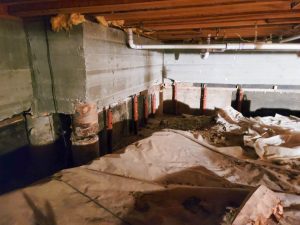
A crawl space home foundation is different from a basement or slab. Usually, crawl spaces have dirt or gravel floors and are not spacious like basements. A crawl space raises your home above the BFE (base flood elevation), meaning that in case there is a flood, your home cannot get wet. If your home has a crawl space, it is important to understand several strategies for keeping the place healthy. Crawl space moisture control is important because it helps you maintain ideal humidity levels, helping discourage mould growth and other unhealthy conditions.
When was the last time you looked inside your crawl space? Perhaps the air inside your living room stinks or feels damp. Maybe you notice a musty smell coming from crawl space. If your carpets are damp, your flooring is buckling, and your allergies are getting worse, you might have a moisture problem in your crawlspace.
Moisture can get in the crawl space in various ways depending on whether your crawl space is sealed or vented. Below are the leading causes of crawl space moisture problems:
In the past, builders added vents to the foundation to prevent moisture issues and dry the crawl space out. However, recent studies have revealed that vents in the crawl space do more harm than good. The vents allow hot damp hair into the crawl space and can also let in water. When hot, humid air enters the crawl space through the vents, it comes into contact with cold surfaces in the crawl space, such as ducts, dirt floors, floor joists, water pipes, and sill plates. This leads to condensation, leading to a musty smell, mould, and rot.
The open vents will not do you any good during winter. The crawl space dries out during winter, but the vents cause excessive heat loss. Remember, you are paying for this heat.
The Solution: You can control the moisture levels in the crawl space by sealing the crawl space vents to prevent damp outside air from penetrating into the crawl space. You should also cover the crawl space floors and walls with a vapour barrier to prevent moisture from coming up from the concrete or dirt floor or through the foundation walls.
A lot of moisture could come from the exposed dirt in the crawl space. Whenever the ground is damp, for example, after heavy rains, the water evaporates upwards into the crawl space as the damp soil dries. This flow of water vapour eventually causes a moisture issue in your crawl space.
The ground is full of water. You might not know that you have a ground moisture evaporation issue because most of the time, the soil in your crawl space appears dry. If you happen to install a thermal hygrometer, you will realize that you have a ground moisture evaporation issue. The soil in your crawl space appears dry because its moisture is evaporating into your crawl space.
The Solution: You should install a vapour barrier over the dirt floor. This way, you can stop moisture in the damp soil from evaporating into your crawlspace.
Moisture from the soil that surrounds your foundation could leak or seep into the crawlspace in various ways. The water can penetrate beneath the footing, through the block walls, between the walls and the footing, or through cracks in the concrete walls. Once the water enters the crawl space, it forms puddles on the vapour barrier or on the exposed dirt. Eventually, this water evaporates upwards into the air and your living area.
The Solution: You should install a sump pump and a perimeter draining channel in the crawl space to prevent water from pooling in the crawl space floor. You can also take other steps to keep water from your crawl space, including cleaning the gutters, extending the downspouts, and fixing the grading around your house.
Plumbing leaks could also cause moisture issues in your crawl space. Leaky water supply pipes and drain pipes could form puddles on the crawl space floor and lead to wet fibreglass insulation. The increased moisture could lead to rots, mould problems and even attract pests.
The Solution: You can identify leaks by checking for standing water below the tub, shower, toilet, and other plumbing fixtures. Whenever water is running inside the house, check to see whether there is any dripping water in the crawl space. If you notice any pipes that are leaking water into the crawl space, call a plumber to have them fixed immediately. Ensure that you add a vapour barrier to prevent moist dirt resulting from leaky pipes.
The moisture or water issue in your crawl space is probably caused by a combination of issues as opposed to a single issue. This is why you should contact a professional to inspect your crawl space. A professional understands the moisture issues to look for; they will recommend the right solution for your home.
If you have bulk water issues in your crawl space, a common cause is improper sloping of the ground outside your home. There is a problem if the ground outside your home slopes towards your house. The ground should slope away from your home at a minimum grade of 5%. Water might seep into your crawl space if the surrounding ground slopes towards the foundation.
The Solution: Consider improving the slope of the ground surrounding your home to ensure that whenever it rains, water flows away from the foundation, not towards it.
What is the recommended crawl space humidity level? To keep the air healthy, you should maintain the crawl space humidity levels at around 55%. High humidity in the crawl space could have the following adverse side effects:
If mould and mildew grow on the wound, it makes the wood rot. Rotten wood could affect the structural integrity of your home. You can use a digital thermo-hygrometer to measure the humidity levels in your crawl space. If you notice that the humidity level in the crawl space is above 65%, it is time to take action:
If you’re wondering how to fix moisture in crawl space, a good strategy is to fix all the moisture problems first. Identify the cause of bulk moisture or dampness in your crawl space. If the surrounding ground slopes towards the foundation, grade and ensure the dirt slopes away from the foundation.
If you suspect a plumbing leak, hire a professional to inspect all the pipes in your home. Sometimes, the pipes might have small leaks. Over time, these leaks will cause an extensive water issue.
Installing a sump pump in your crawl space can help you keep it dry. The water will drain into the lowest point in the crawl space and end up in the bucket. When the water reaches a certain level, the pump comes on and pumps the water outside the crawl space. If you have a sump pump in the crawl space, you should ensure that you inspect it several times per year to ensure it is functioning properly.
A vapour barrier refers to a thick sheet of plastic that you can use to cover your crawl space floor. A vapour barrier is crucial if you have a dirt floor in the crawl space. The vapour barrier keeps the insulation dry by keeping underground moisture beneath the plastic and away from the wood joists in your floors.
The vapour barriers also ensure that you have high-quality air inside your home. You should have a professional install the vapour barrier for the best results.
Another crucial step in maintaining proper humidity levels in your crawl space is the installation of a crawl space dehumidifier. The dehumidifier is strategically located in the crawl space for optimum air circulation. The dehumidifier circulates dry air throughout the crawlspace, helping keep the humidity levels optimal.
The air you breathe inside your home originates from the crawl space. This explains why it is important to ensure that you prevent mould growth in the crawl space. Unhealthy air in the crawl space translates into unhealthy air in the rest of your home.
You should regularly measure the humidity levels in your crawl space. If you notice that the humidity is too high, ensure that you identify the problem and address it. If the humidity level is still high even after installing a vapour barrier, consider installing a crawl space dehumidifier.
Embracing the right strategies to keep your crawl space dry will ensure that you keep your home healthy and trouble-free for many years to come.
To keep moisture off your crawl space, you should partner with a reliable waterproofing company. Wondering what humidity should my crawl space be? Direct Waterproofing understands how to lower moisture in crawl space. Contact us today for the best services.
 The Benefits Of
The Waterproofing
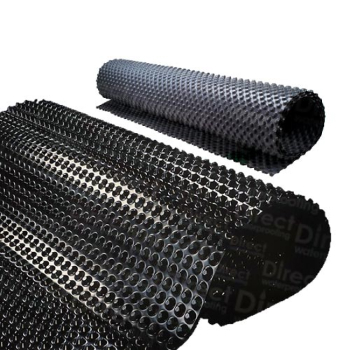
Platon Membrane
Having a dry basement is a top priority for any homeowner. One product that can help with wet basement waterproofing is the Platon.
Read more
The Benefits Of
The Waterproofing
Platon Membrane
Having a dry basement is a top priority for any homeowner. One product that can help with wet basement waterproofing is the Platon.
Read more
 Methods For Terrace
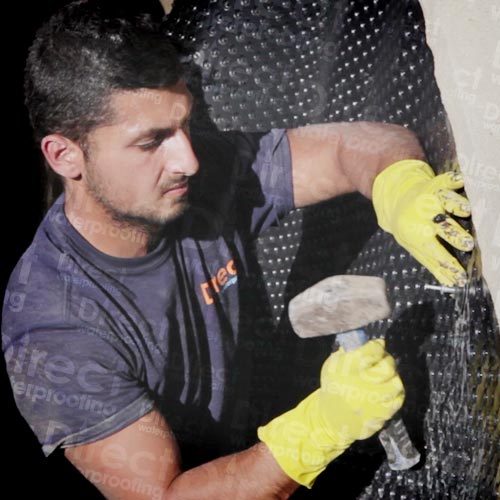
Waterproofing
Terrace waterproofing helps prevent leaks, protects smooth surfaces, seal cracks, and keep the roof structurally-strong.
Read more
Methods For Terrace
Waterproofing
Terrace waterproofing helps prevent leaks, protects smooth surfaces, seal cracks, and keep the roof structurally-strong.
Read more
 What Is the Cost
of Sump Pump
Installation and
Replacement?
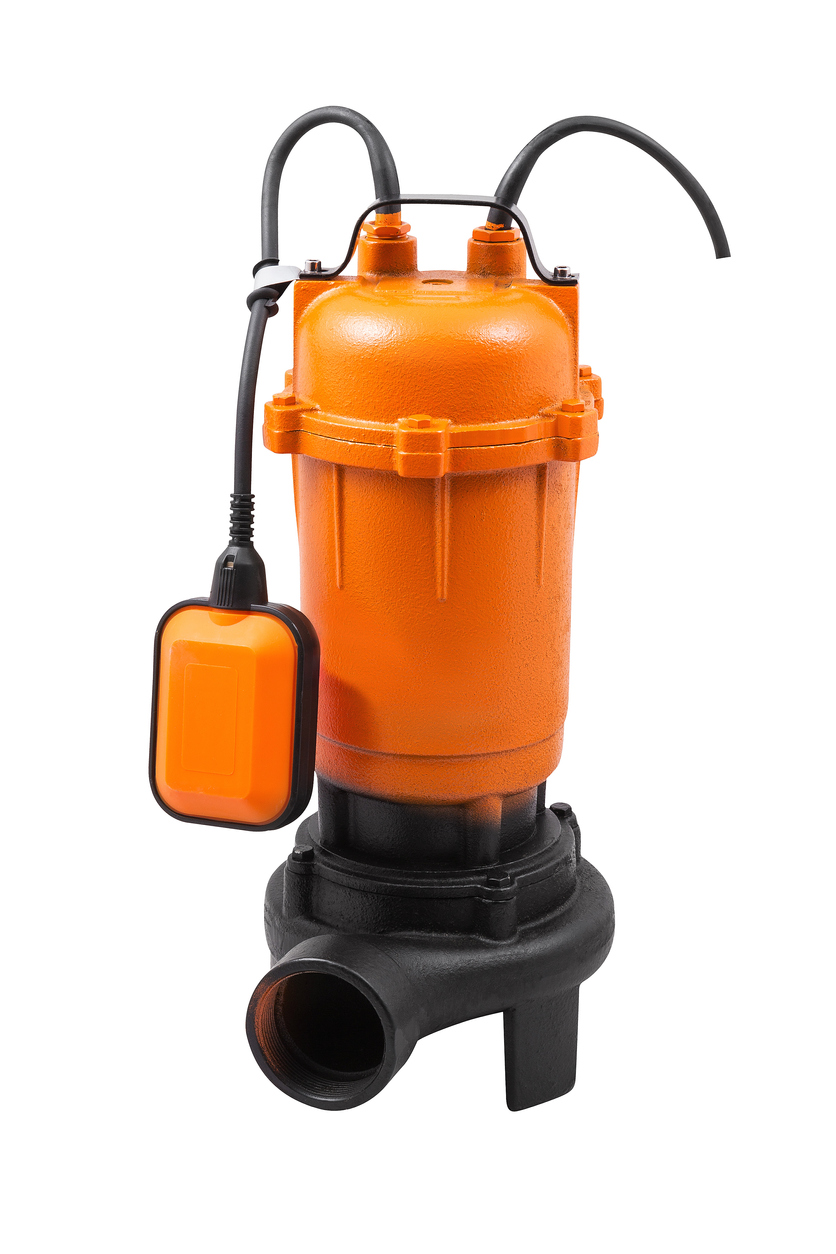
The cost of sump pump installation in Toronto depends on several factors, such as the sump pump type, basement flooring type, availability of a drainage system and its condition, or whether you hire a professional for the job or handle it as a DIY project.
Read more
What Is the Cost
of Sump Pump
Installation and
Replacement?
The cost of sump pump installation in Toronto depends on several factors, such as the sump pump type, basement flooring type, availability of a drainage system and its condition, or whether you hire a professional for the job or handle it as a DIY project.
Read more


