Quality service since 1995



What do drain tiles do, and what does a drain tile system look like? Let our contractors sepcialized in basement waterproofing Toronto answer this. Drainage tile is an underground plumbing system specifically designed to collect and divert water away from your home. The principle behind it is simple: by using a series of tiles connected in a pipeline, excess water can be quickly routed away from the home before buildup causes significant damage.
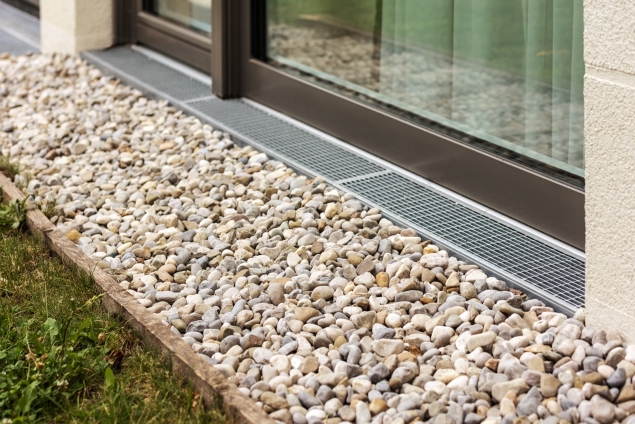
The most common type of drainage tile for residential use is made up of a perforated plastic tube or pipe that is buried below the surface of the soil around the home’s foundation. This allows for quick absorption and distribution of water away from the house. Depending on the layout, it’s possible to connect multiple lines together if more coverage is needed.
There are several components that make up a drain tile system:
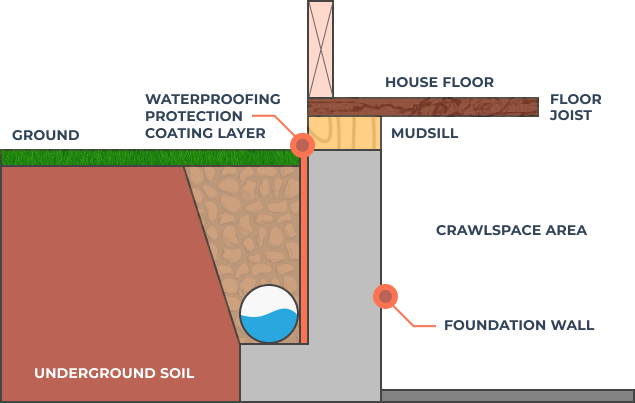
The design of the system allows water to be quickly diverted away from your home, preventing it from pooling around the foundation. This helps protect structural integrity by keeping walls and foundations from becoming saturated with water. As an added benefit, drainage tiles can also help reduce flooding in low-lying areas as well.
When installing a drainage tile system, it’s important to consider the type of soil that is present in the area. Clay soils are not suitable for this type of installation because they hold onto water and will prevent the system from working effectively. Additionally, if you live in an area with high levels of groundwater, then you may need additional pumps or other equipment to ensure proper functioning.
For best results, have a professional look at your property to determine the most effective and efficient way to install a drainage tile system. This will help ensure that the system is working correctly and that it’s providing protection from water damage. Proper maintenance and inspection of your drainage tile system should also be done on a regular basis to keep it functioning at its best.
Overall, installing a drainage tile system is an effective and efficient way to protect your home from water damage. It’s important to understand the basics of how it works, where best to install it, and what type of soil is most suitable for its use. Additionally, ensuring regular maintenance and inspections will help keep your system functioning properly so you can enjoy peace of mind in knowing your home is protected from water damage.
When installing drainage tile, there are several important considerations to keep in mind. First, the area around your home should be dug out to a depth of at least 18 inches. This will ensure that the drainage tile is properly buried and won’t be affected by freeze-thaw cycles or other environmental factors.
Next, lay down the tile in whatever pattern you prefer: straight lines, circles, or even a complex network of multiple tiles. Make sure each piece is tightly secured with soil firmly packed around it. Finally, cover the top of the tile with landscaping fabric to block sunlight from entering and blocking water absorption.
Once everything is secure, you can then begin filling in the hole with soil again until it’s level with the ground outside your home. After this process is complete, all that’s left to do is sit back and enjoy the protection offered by your new drainage tile system.
But what are the different types of drain tile? There are two common types of tile drainage systems: surface and subsurface. Surface drainage tiles lie just below the soil’s surface, usually about 6 inches deep. These are easier to install but require more frequent maintenance since leaves and debris can easily clog up the pipe. Subsurface drainage tiles lie deeper in the ground, around 3 to 4 feet down. These require heavier equipment for installation but provide a longer-lasting solution since they’re less vulnerable to blockage due to debris.
Drainage tile should be placed along the foundation walls at least 2 feet away from any structural components such as windows or door frames and no closer than 8 inches from any footing or foundation walls. If you have sloping land, it is best to install the tile on the lower side of the slope, as water will naturally flow downhill. Tile drainage systems can also be used to help direct water away from drainage swales, which are depressions in the landscape that allow runoff water to collect and slowly drain away.
Drain tiles around the house can provide protection from water damage, but it is important to understand the basics of how they work and what type of soil is most suitable for their use. To learn more about the different types of drain tiles and how to install them, consult with a professional who specializes in drainage systems. With their help, you can make sure your home is properly protected from water damage.
Here at Direct Waterproofing, our experienced professionals can help you with all of your drainage tile needs. From advising on the best type for your specific situation to performing comprehensive installations, we have the expertise and quality materials to ensure your home is always protected from water damage. Contact us today to get started!
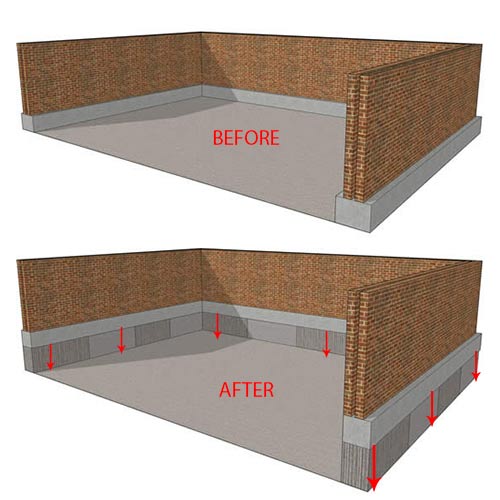 Buying a Home with
a Wet Basement
Before committing to a house, perhaps the most important step is to inspect the property with a professional a few times to make sure there are no hidden problems that might come up down the road.
Read more
Buying a Home with
a Wet Basement
Before committing to a house, perhaps the most important step is to inspect the property with a professional a few times to make sure there are no hidden problems that might come up down the road.
Read more
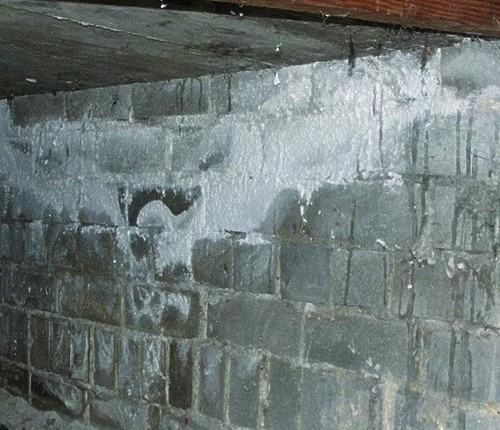 What You Should
Know About
Weeping Tiles
Drainage problems are hard to uncover. By the time you are noticing puddles after a rainstorm, the problems may have already gone too far. Most drainage issues go undetected for many years.
Read more
What is a Drainage Tile
and
How to Use It
What do drain tiles do, and what does a drain tile system look like? Let our contractors sepcialized in basement waterproofing Toronto answer this.
Read more
What You Should
Know About
Weeping Tiles
Drainage problems are hard to uncover. By the time you are noticing puddles after a rainstorm, the problems may have already gone too far. Most drainage issues go undetected for many years.
Read more
What is a Drainage Tile
and
How to Use It
What do drain tiles do, and what does a drain tile system look like? Let our contractors sepcialized in basement waterproofing Toronto answer this.
Read more


