Quality service since 1995



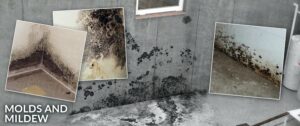
Scientifically known as Stachybotrys Chartarum, toxic black mould can grow in your home without your knowledge. Even if the mould doesn’t make your home crumble, it could cause severe health issues to your family and pets. You might have a mould problem if you notice allergic reactions among your household members. Typical allergic reactions include sneezing, coughing, irritation of the mucus membranes of the throat and nose, rashes, and chronic fatigue. Persistent headaches could also be a sign of black mould poisoning or black mould exposure. In a severe case of prolonged black mould exposure, more complicated health conditions may occur.
Wet basements are the favourite breeding grounds for toxic black mould. If you have a leaking basement or a significant amount of basement moisture, the chances are that black mould is present. You should contact a professional mould removal contractor. A professional mould removal contractor will follow the right procedure to determine whether the toxic black mould is present, the best way to remove it, and how to ensure it doesn’t recur. The five basic professional mould removal steps are:
Assessment
A professional mould removal contractor will first determine whether black mould is present before starting to remove it. The contractor might engage in intrusive work like moving furniture or boxes to determine whether the mould is present. Toxic black mould is greenish-black and slimy to the touch.
Containment
During black mould removal, the contract will close off the affected area. Black mould reproduces by releasing spores into the air. Mould removal often involves blowing spores into the air, and this could have adverse effects on humans. A professional mould removal contractor will use tape and plastic sheeting to secure the affected area and prevent contaminating your home. If the mould has spread to several rooms, the contractors will focus on one room at a time.
Filtration
A professional mould removal contractor will use air filtration machines to eliminate particulates and mould spores from the air. Filtration involves using advanced machines with HEPA filters. HEPA filters are often found in advanced vacuum cleaners. Your contractor will wear an air filter mask and goggles to reduce contact with the particulates at this stage.
Removal
This process involves cleaning all the items and surfaces that have black mould. The cleaning process is simple on materials like hard plastic and glass where mould has no room to hide. However, the removal process is hard on porous materials like wood or concrete. On porous surfaces, a contractor may have to remove a significant part of the porous material to eliminate the mould. It’s common for toxic black mould to penetrate deep into the pores of wooden or concrete surfaces. Therefore, if the mould infestation is severe, you might lose some items.
Repair
You shouldn’t worry if the mould infestation is severe and causes significant damage to your home. An experienced basement-waterproofing contractor will restore your basement by repairing the damage. The contractor will also fix the affected area to prevent a black mould re-infestation.
Given the adverse health effects of toxic black mould, you shouldn’t take a black mould infestation lightly. You should contact a professional contractor when you notice the first signs of mould infestation.
In order to help keep your home safe, one of the most important things that you can do is to keep an eye in your basement for any signs of water or water damage. Let’s take a look at the five simple steps you need to know when it comes to mold removal and basement waterproofing.
Inspect The Area
The first thing you should do in order to keep your basement in great shape is to regularly inspect it for any signs of water present or water damage. You can do this visually by walking around your basement and taking a look at the walls as well as the ground for any dampness or any cracks. Additionally, keep in mind that mold is not uncommon to find in basements. That means you should also keep an eye out for signs of mold and contact professional as quickly as possible should you spot any. Make sure that you take note of your findings.
Check Your Gutters
Should you find mold in your basement, there might be a few things that you can try before shelling out money on professional mold removal. One of the first things that you can look at is your gutters. You want to make sure that your gutters are not clogged and that they are properly directing water away from your basement.
Buy A Dehumidifier
Another important step that you can take when it comes to fighting mold is to invest in a good dehumidifier. A good dehumidifier can help dry out your basement and create an environment that is inhospitable to mold growth.
Check Your Connections
If you have any pipes or any windows that lead to the outside in your basement, it is important to double check them to ensure that they are not letting water into your home.
Waterproof Paint
Once you have successfully dried out your basement, you can now try other waterproofing methods like waterproof paint. This can help keep your basement dry and mold free.
For more information on mold removal and basement waterproofing, contact Direct Waterproofing today.
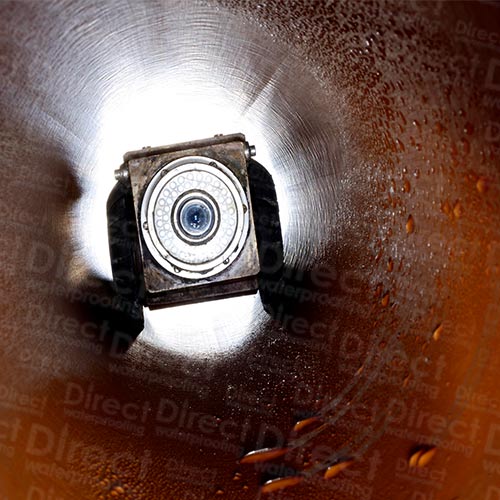 Finding the Source
of the Leak: Leaky
Basement
Waterproofing
Walking down the isle of almost any hardware store in the summer, one will most likely find more than a dozen methods, solutions and quick fixes recommended for the best leaky basement waterproofing.
Read more
Finding the Source
of the Leak: Leaky
Basement
Waterproofing
Walking down the isle of almost any hardware store in the summer, one will most likely find more than a dozen methods, solutions and quick fixes recommended for the best leaky basement waterproofing.
Read more
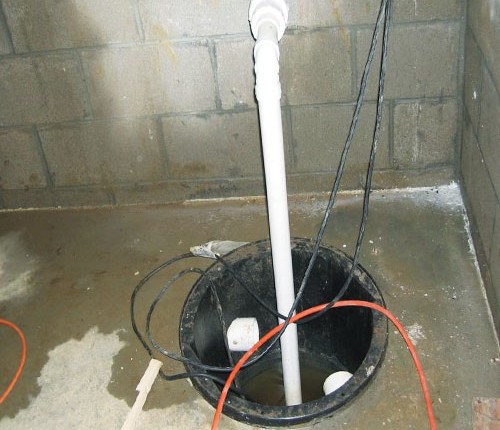 A 101 On Backflow
Prevention Devices
One of the most annoying, most inconvenient and the most harmful of all plumbing emergencies that you have to watch out for is backflow
Read more
A 101 On Backflow
Prevention Devices
One of the most annoying, most inconvenient and the most harmful of all plumbing emergencies that you have to watch out for is backflow
Read more
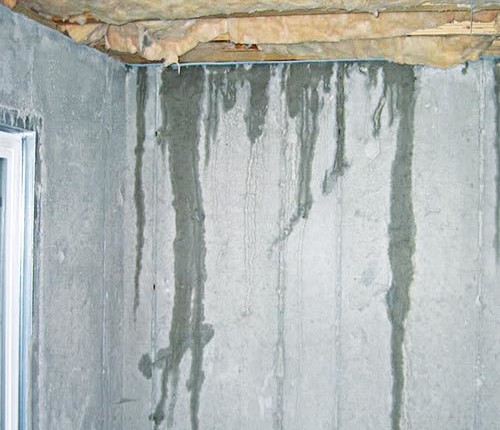 Reasons Why Water
Is Coming Over Top
of Foundation Wall
There are several signs that show your basement to develops leakages, and each sign aids to identify the specific concern. Direct Waterproofing helps you assess the problem and confirm any signs of leakage.
Read more
Reasons Why Water
Is Coming Over Top
of Foundation Wall
There are several signs that show your basement to develops leakages, and each sign aids to identify the specific concern. Direct Waterproofing helps you assess the problem and confirm any signs of leakage.
Read more


