Quality service since 1995



Basements are always and should always be a constant concern to homeowners. Wet and leaking basements when it rains, through cracks or seepage always rank highest as the home improvement problem that is most likely to send buyers running to the nearest open house. If you are a homeowner or looking to buy or sell a house, you should highly consider the condition in which the basement is because wet basements are not only unusable but also dangerous to the home structure and the people. When foundations are flooded, they can immensely weaken the house. Also, the growth of toxic mould is a fast growing threat among residents.
If you notice puddles on your basement floor every time it rains, it’s a sign of a basement leak during rain. Many homeowners experience basement leak problems. Water leaking in your basement can be frustrating, stressful, and confusing. It would be detrimental to go down to your basement after a downpour only to find it filling with water. Water damage can be expensive to fix; you should have a professional address the basement leakage immediately. The first step to dealing with a leak is to understand its cause.
The common question most homeowners ask upon noticing a basement leakage is how the leakage happened. Concrete, the material mostly used in constructing the foundation around your home, absorbs water. Concrete functions more like a sponge; it can absorb water over time without you noticing it. However, when the concrete reaches saturation, it cannot hold more water, and the excess water seeps through the foundation and into the basement. The leakage is worse if your basement floor or walls have some cracks.
Most people think of the basement wall as impenetrable. However, foundation walls are made of concrete. Even if the concrete is very strong, it’s not impenetrable, mainly when water is involved.
Basement leaks also result from the pressure created by the water in the soil surrounding your house’s foundation. Hydrostatic pressure occurs during periods of heavy rains when the water becomes saturated, pushing water and moisture through the basement wall. The loose soil surrounding a home’s foundation often absorbs a lot of water.
The area surrounding the foundation is often flooded with water from downspouts or clogged gutters. The excess water could make the soli expand, creating sideways pressure against the foundation. This pressure might damage the foundation and create basement leaks.
Leaks in the basement may also occur if a window well isn’t installed properly. The window well may fill with water if the drain is clogged. Some of the excess water may seep into the basement. The common sign of leaky basement windows is water stains on the wall.
Water damage can be costly to fix. It is important to ensure that you reach out to a professional immediately you notice a leak or mould growth in your basement. Direct Waterproofing can assist. Our professionals understand how to inspect your home’s foundation and determine the right procedure to follow when waterproofing your basement. If you have a leaky basement, there are steps that you can take to keep your basement dry and prevent leaks:
Cleaning the Gutters
Most of the basement water problems begin on the roof of the house. An inch of rain can leave uptight more than 1000 gallons of water on the roof of a standard house and all that water has to go somewhere. The gutters in your home are designed to catch the rainwater and empty it at downspouts. If the gutters are clogged, they can overflow during heavy rains, making rainwater collect at the base of the foundation. You should clean the gutters by removing leaves and debris that might have collected therein. Installing leaf guards can prevent the accumulation of leaves and other dirt in the gutter. Downspout extenders would also come in handy to direct water away from the house, preventing water accumulation around the basement. This way, the soil around the basement won’t be saturated.
Repairing the Window Wells
Without window wells, your basement would be a lot darker. As long as window wells are properly installed and maintained, they let in the much-needed sunlight into the basement windows below the ground level. Window wells also prevent the belowground basement windows from rotting and rusting. Unfortunately, many homeowners neglect window wells. The window wells are often full of dirt, leaves, and other debris, making them clog. Window wells are designed to keep your basement dry and well lit. However, if neglected, they do the opposite and allow water into your basement.
You can keep the window wells free from leaves and other debris by covering them. You should invest in quality sturdy covers that keep water and debris away. The cover reflects natural light into the basement – covering the window well won’t block light from penetrating the basement.
Your house settles over time. Raising the window well provides ample space from the top of the window well to the top of the grading. You may have to install taller window wells if it’s impossible to modify the existing window wells. Leaking or failing window wells require immediate sealing or replacement.
Regardless of how much you want to beautify your outside, basement leaks during rain can be a big problem. Grading plays an important role in where rainwater ends up in your home. Experts in waterproofing advice homeowners to do proper research on yard draining so as to prevent the chances of basement seepage. When improving your grading, you should consider all areas around your home, including the landscaping surrounding the house, the lawn, paved areas, and the gardens.
There are two types of grading: positive and negative. Positive grading slopes away from home, directing floodwater away from the window wells and the foundation. Negative grading slopes towards the house and directs water towards the foundation and the window wells.
You can improve grading by ensuring that the nearby soil is pitched away from the building. You will ensure that water won’t drain towards the foundation but towards the yard.
After cleaning and maintaining your gutters, it is advisable to manage your downspout, as rainwater might still be a problem. Use of above ground extensions for your downspouts to ferry the rainwater away from your foundation is recommended especially if you experience basement leaks in Toronto during heavy rains. This will prevent water soaking to your foundation that will cause further damage.
A sump pump system is a very important piece of machine to help keep your basement dry, so it is best to be sure that it is in proper condition. The average working life span of a good sump pump is around 5-10 years. More often than not, a sump pump failure might go unnoticed especially during times of little or no rain. You can use a hosepipe to fill the sump pump enough water to trigger the switch just to make sure it is working.
Investing in an Interior Waterproofing System
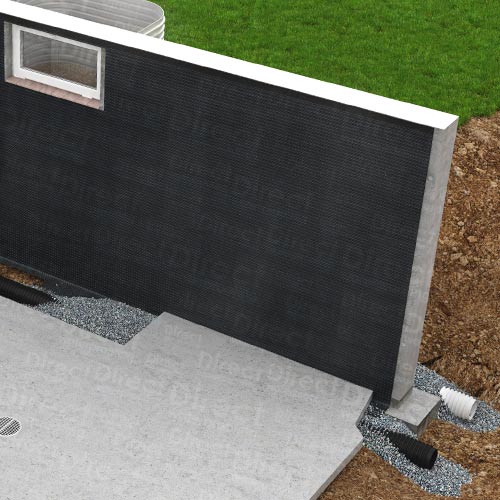
One effective way of keeping your basement dry is by installing an interior drainage system to minimize hydrostatic pressure. An interior drainage tile is connected to a sump pump. The drain tile should be installed along the area where the floor and the wall meet. This is the point where water leakage occurs. By installing a drain tile, you will capture the water before it penetrates the basement. The drain tile will also collect the water that might come through the foundation walls. The drainage system will direct the water to a sump pump. The pump will drive the water away from the house.
The sump pump acts as the first line of defence during heavy rains when groundwater swells. It removes water from underneath your home, removing it from the foundation. However, just like with other home appliances, the sump pump might malfunction. It’s important to inspect it regularly to ensure it works as it should.
Direct Waterproofing has helped fix numerous leaky basements in Toronto. If your basement leaks when it rains, we have an experienced waterproofing contractor who can help you solve the problem.
 Installing French
Drains Against
Water Pooling
Having pools of water collecting in your basement, yard or on the sides of your home is one of the worst things that can happen to your home. If this persists, damp or structural damage is likely to occur if the problem is not handled correctly
Read more
Installing French
Drains Against
Water Pooling
Having pools of water collecting in your basement, yard or on the sides of your home is one of the worst things that can happen to your home. If this persists, damp or structural damage is likely to occur if the problem is not handled correctly
Read more
 Main Causes
of Wet Basements
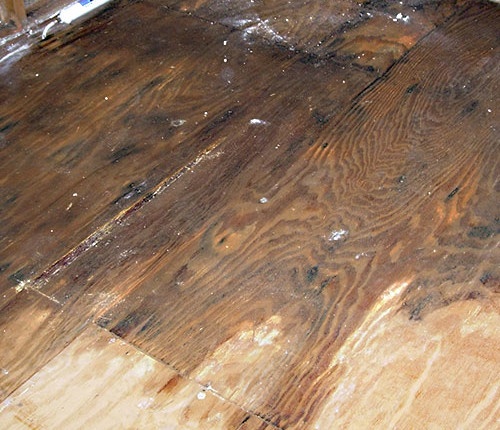
The history of flooding in Canada includes floods caused many natural causes with most home insurance claims in Canada deal with water damage due to sewer back-up, not fire related damage.
Read more
Main Causes
of Wet Basements
The history of flooding in Canada includes floods caused many natural causes with most home insurance claims in Canada deal with water damage due to sewer back-up, not fire related damage.
Read more
 Difference Between
Structural and
Non-structural Cracks
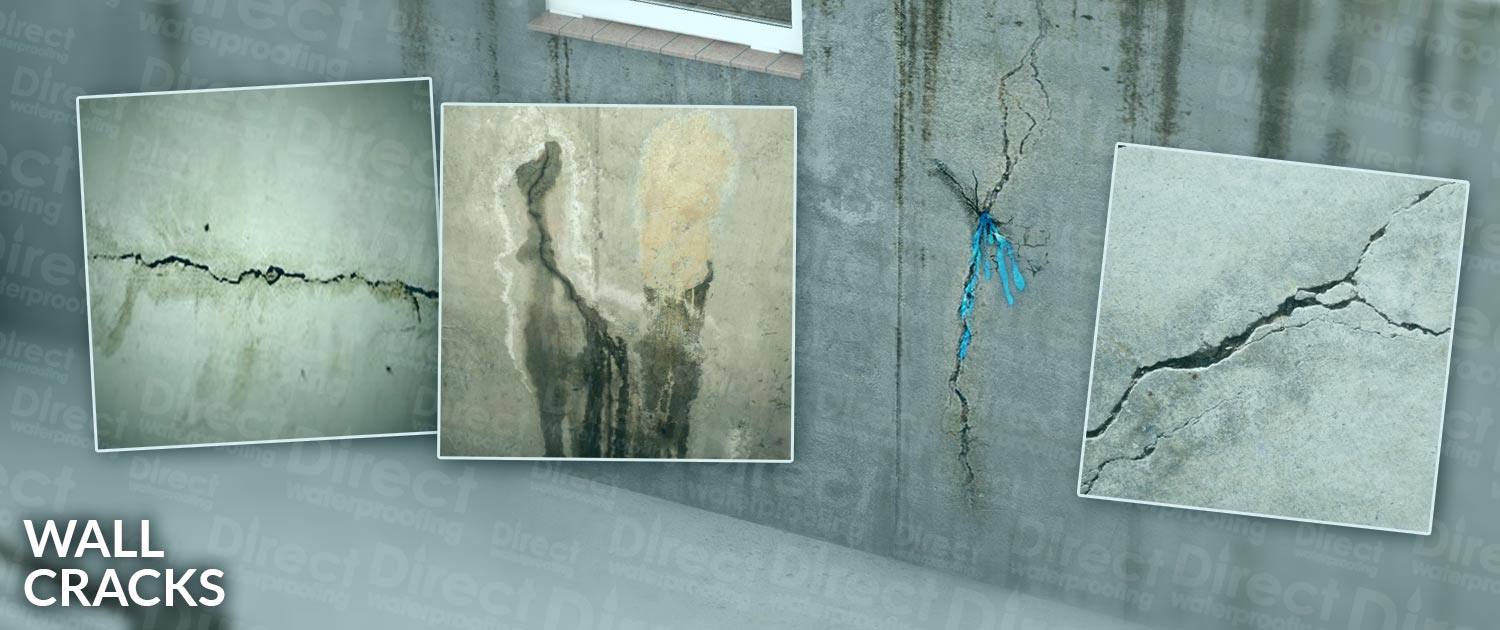
Cracks typically start as minor blemishes on the wall and widen with time. If not addressed, they could lead to water damage and compromise your building’s foundation's stability.
Read more
Difference Between
Structural and
Non-structural Cracks
Cracks typically start as minor blemishes on the wall and widen with time. If not addressed, they could lead to water damage and compromise your building’s foundation's stability.
Read more


