Quality service since 1995



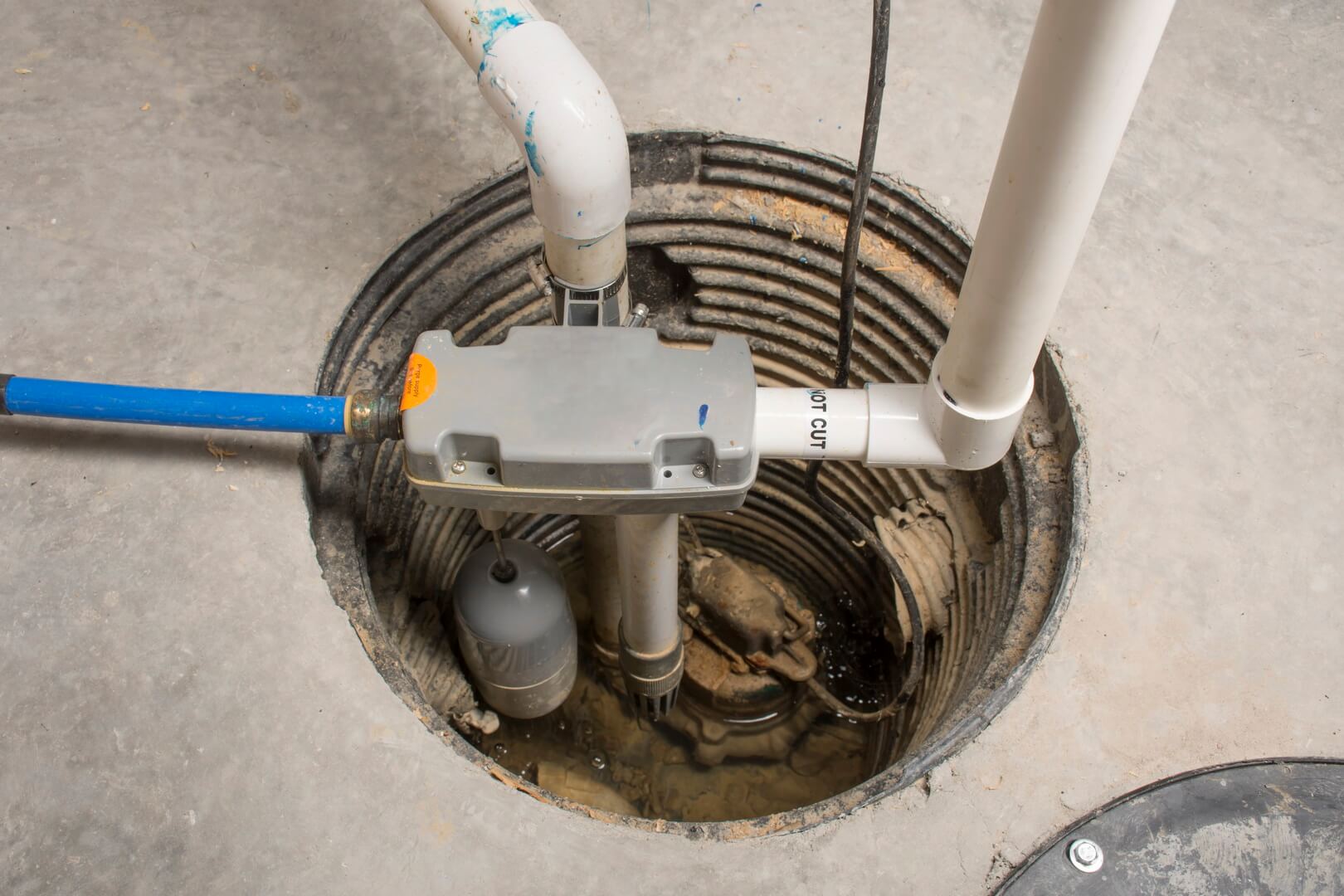
What is a sump pump, and what is a sump pump used for? If your basement is prone to flooding, has issues associated with dampness, or is below the water table level, you should talk to your contractor about a sump pump installation. This is a pump used to remove water that gathers in the sump basin. Water enters the sump basin through the perimeter drains in the basement waterproofing system or by gravity due to rainfall or groundwater. As for what does a sump pump do, it pumps water from the sump basin and sends it away, usually to a dry well or storm drain.
Sump pumps are normally hard-wired into the electrical system of your home. Bearing in mind that the sump basin can overflow if it is not pumped properly or constantly, it pays to have your sump pump connected to an additional battery backup system in case there is a power outage. Now and then, the pressurized water system can power the pump. In this case, there is no need for electricity here.
How do I know if something is wrong with my sump pump? The easiest way is if the sump basin is overflowing. This can happen due to several reasons. This post takes a look at some of the most common mistakes that cause sump pump problems. It also shares a few tips on how to use a sump pump properly.
Most sump pump problems result from homeowners trying to do everything themselves. While anyone can maintain and at times repair the pump, you must never attempt to install or replace the sump pump on your own. Sump pump installations and fixes should be left to the pros. If you have tried troubleshooting and can’t find the issue, it is a good idea to call in a professional. They have the tools and experience to tackle any sump pump problem.
Should there be water in my sump pump pit? A sump pump uses a float switch to turn on and off when there is water in the basin. To work properly, the float switch has to float freely. Debris can keep the switch from going back to its resting position. This will cause the sump pump to work improperly. You need to check the switch periodically to remove blockages. Should a sump pump have water in it? Yes. The motor activates when water in the basin rises the float switch to a certain level.
Can I unplug my sump pump? Yes, you can during the dry season or for a short while. You should, however, not forget to plug it back in because it will not work without electricity. Forgetting to plug the sump pump back in is the leading cause of flooding in basements, especially after it rains. To avoid this mistake or someone unplugging it by mistake, consider getting the sump pump hard-wired into a dedicated outlet. Keeping in mind that remodels require electrical wiring, you might have to apply for a permit.
Sump pumps don’t all work the same. The pumps vary in size, design and shape. The depth of an average pit is 2 to 3 feet. Depth depends mainly on local soil conditions and floodwater levels. Your choice of pump has to be based on how high and far the water has to be pumped. An expert can help.
When there is a power outage, the sump pump will not work. If the power loss takes long, your basement might end up flooding. Buying a generator or a battery backup system will guarantee your home remains dry even when there is no electricity. Make sure you get the battery of the power backup system replaced every five years.
To understand why this is a mistake, you have to answer how a sump pump system works. There are two kinds of pumps: standing and submersible. Standing pumps have an underwater pump with a motor above water. If water ever reaches the motor, it will short-circuit, and the pump will fail. Submersible pumps are waterproof.
Most homeowners don’t realize there is a problem with their sump pumps until they stop working. Making time for maintenance at least once a year is a key to avoiding disasters. Check the system for loose wiring, listen to the motor, remove debris from the basin, and test the float switch by pouring water into the sump basin to see if the pump works. You also need to ensure the discharge pipes are not clogged and that they lead water away from your house. Finally, always recognize when a professional is required.
You will never know if there is a problem with your sump pump until you test it. There are basically three scenarios that mandate you test your sump pump. The first is when the pump constantly runs, even when there is no rain. The second is when the pump doesn’t run even after a downpour but occasionally runs when the need arises. For example, it could run during a storm or after heavy rains then shut off completely. The third, and the most critical time to test your pump, is when it doesn’t run at all.
The sump pump system has to be tested regularly, at least once every year. The easiest way of testing it is by pouring water into the sump basin. Pour at the rate you feel rainwater would enter the basin. Pour until the float switch activates. Check if the water level is dropping and if the pump shuts off after getting to the shut-off level. If the water level is not dropping or the pump does not activate, you need to find out the problem with the system. Try troubleshooting the pump, and if repairs are needed, call in a professional.
Sump pumps expel water from the basement through a discharge pipe. The pipe is usually located underground, where tree roots can damage it. In most cases, when the pipe breaks, you will not know until you get in the basement and see everything floating. If the sump pump is working properly, but you are still dealing with flooding, there is a good chance the discharge pipe is damaged or blocked. Always inspect these pipes regularly to ensure they are working correctly and call in an expert if there is a problem.
Where the discharge pipes are placed matters; linking them to the septic system can lead to all manner of problems. For example, the pump can kick on and back up into the drains. This is common if the leaching system gets saturated after it rains. To avoid problems, bury the discharge pipe and run them away from the house above-ground.
In regular sump pump system maintenance, you should check for faulty or loose wires. A common indication of loose wires is if the sump pump stops abruptly. If there is no power outage and this happens, chances are a fuse blew, or some wires are loose or faulty. Check the wires before trying anything drastic.
When checking the wiring, start by unplugging the sump pump before disconnecting it. Next, inspect the pump keenly for loose wires. If you find any loose wire, get it fixed. Finally, reconnect the sump pump, plug it back in and see if the problem has been resolved. If it is still not working, there is a chance you missed something. If you cannot find what the issue is, call in an expert for a professional examination.
You will be surprised by the number of problems homeowners miss by not listening to their sump pump motor as it runs. If the sound is normal and both the pump and motor seem to be working correctly, you need to pay attention to where water should be going out through. If there is no water escaping, you have to troubleshoot your sump pump. Water may not be escaping because there is a blocked pipe or the valve is stuck. Some of these issues are quite easy to fix. You can fix them yourself. However, if the problem is hard to pinpoint, call in a professional to assess it.
Last but not least, you have to pay attention to the check valve of your sump pump. The work of the valve is to create a barrier that keeps discharged water from flowing back into the sump pump. There is a printed arrow that lets you know which direction the valve is facing. Make sure the arrow is not pointing towards the sump pump but rather away from it.
 Common Mistakes
With Sump Pump
Everyone
Should Avoid
What is a sump pump, and what is a sump pump used for? If your basement is prone to flooding, has issues associated with dampness, or is below the water table level, you should talk to your ...
Read more
Common Mistakes
With Sump Pump
Everyone
Should Avoid
What is a sump pump, and what is a sump pump used for? If your basement is prone to flooding, has issues associated with dampness, or is below the water table level, you should talk to your ...
Read more
 Buying a Home with
a Wet Basement
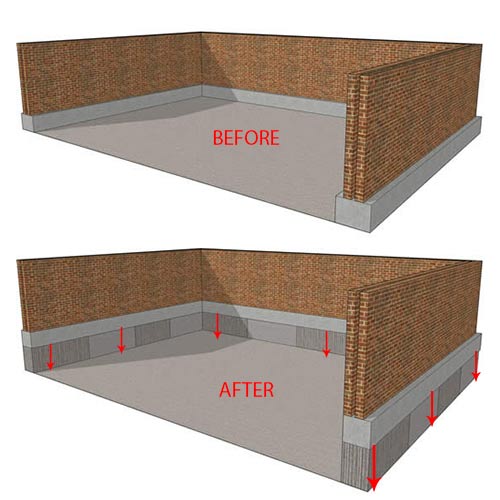
Before committing to a house, perhaps the most important step is to inspect the property with a professional a few times to make sure there are no hidden problems that might come up down the road.
Read more
Buying a Home with
a Wet Basement
Before committing to a house, perhaps the most important step is to inspect the property with a professional a few times to make sure there are no hidden problems that might come up down the road.
Read more
 How Pre-emptive
Drain Cleaning Can
Benefit a Homeowner
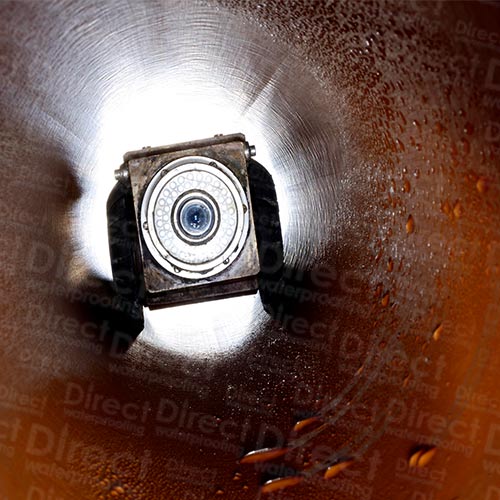
The most important thing on the mind of a homeowner is how to maintain his house and keep it in a very good shape.
Read more
How Pre-emptive
Drain Cleaning Can
Benefit a Homeowner
The most important thing on the mind of a homeowner is how to maintain his house and keep it in a very good shape.
Read more


