Quality service since 1995



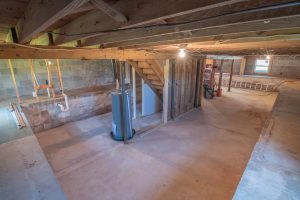 Around 20% of the newly built homes in the United States have a crawl space. Crawl spaces serve many roles, including housing the electrical, HVAC, plumbing, irrigation systems, and gas lines of your home. However, crawl space with an open vented crawl space could expose your home to moisture issues like the growth of mould and mildew. Moisture-related issues could compromise the functionality and durability of your HVAC equipment. Extensive water damage in the crawl space could also make you incur hefty crawl space repair costs. Crawl space encapsulation can help you avoid these issues.
What does encapsulating a crawl space mean and what makes this home upgrade method worth it? What is the best way to encapsulate a crawlspace? Crawl space encapsulation involves adding a heavy-duty moisture barrier in your crawl space floor, insulated walls, sealed foundation vents, and a crawl space dehumidifier. For crawl space encapsulation to be most effective, you should ensure that you seal the space completely. After encapsulating the crawl space, you can then use a dehumidifier to regulate the moisture and humidity levels in the crawl space.
Many homeowners cannot tell the difference between crawl space insulation and crawl space encapsulation. However, insulation and encapsulation serve two different purposes. Crawl space insulation is for when you are only dealing with cold floors. On the other hand, crawl space encapsulation is crucial when you have issues like humid air and ground moisture.
The cost of crawl space encapsulation varies depending on several factors. The average cost is around $7,500, but the cost could be as high as $30,000. Some of the factors that affect the cost of crawl space encapsulation are:
Is encapsulating your crawl space worth it? Given the high cost of crawl space encapsulation, many homeowners can’t help but wonder whether the procedure is worth it. Encapsulating your crawl space is worth it; its benefits exceed the cost. To ensure that you get the best crawl space encapsulation services and prices, you should not work with the first contractor you come across. The best way to encapsulate crawl space starts with comparing different contractors before choosing the most suitable.
A crawl space encapsulation installation will probably cost you thousands of dollars. When a home renovation or upgrade costs thousands of dollars or more, you should ensure that you get everything right. Here are some of the things that you should avoid when encapsulating your crawl space:
You should not encapsulate your crawl space without a sealable space. There is no doubt that encapsulating the crawl space will keep it dry. However, if you leave large air gaps that allow air from outside to enter your crawl space, the encapsulation might not work.
You should ensure that you seal all the outer air sources. When you do this, you will ensure that the dehumidifier works best when conditioning the air below.
After crawl space encapsulation installation, many homeowners might overlook the importance of a drainage system and assume that the encapsulation will keep the crawl space dry. This would be a big mistake because encapsulation will not prevent water from entering or flooding beneath your house. Failing to install a drainage system could lead to extensive water damage, which will be costly to repair. For example, you could incur a cost of up to $12,000 to repair a water-damaged foundation. You should install a water drainage system that directs water away from your home to avoid a scenario where water collects around your house. You can consider installing a sump pump or a French drain system.
You should avoid using fibreglass unless you decide not to seal, condition, or dehumidify your crawl space. Fibreglass performs poorly when it comes to crawl space insulation. Therefore, it would be advisable to completely avoid using fibreglass in your crawl space. When you install fibreglass in a vented, unconditioned space, the benefits are minimal.
Fibreglass soaks moisture, making it lose its R-value. Therefore, fibreglass cannot serve the purpose of encapsulation material. When fibreglass absorbs moisture, it sags due to the weight of the water, consequently opening holes within the encapsulation blanket.
To make matters worse, a urea-based adhesive is used to hold fibreglass batches together. When fibreglass, moisture, and this adhesive combine, they provide a haven for the growth of mould and mildew. This could make you incur mould remediation costs that normally cost between $500 and $6,000. It’s clear why it is advisable to avoid fibreglass altogether.
DIY crawl space renovation might seem fun and cost-saving for many homeowners. However, you should never assume that you can do the job yourself when it comes to crawl space encapsulation. You will likely end up wasting time, resources, and effort with a DIY crawl space encapsulation because you don’t have the necessary skills and experience. To ensure that you get the job done well the first time, you should work with a professional installation expert.
Now that you understand some of the things you should avoid during a crawl space encapsulation, it’s important to understand some of the things you should do. Below are some of the recommended do’s of a crawl space encapsulation:
1. Ensure the Crawlspace is Ready for Encapsulation
You should first consider the current state of your crawlspace to ensure that you get it ready for encapsulation. Some of the things that you need to address when preparing your crawl space for encapsulation are:
If your home has a poorly maintained drainage system or improper grading, the chances are that rainwater often seeps into your crawl space. You might have a drainage issue if you often see pools of water on your crawl space floor. Before you pursue crawl space encapsulation, ensure that you first speak to a drainage expert to address these issues.
If you have a damp crawl space, you will probably have mould issues as well. Ensure that you inspect your HVAC equipment and the floor joists to identify signs of mould growth. Don’t begin the actual encapsulation process before you deal with the mould problem.
Before you commence the encapsulation project, you should ensure that you conduct a safety inspection on all your combustion appliances. This is to ensure that the appliances are not emitting carbon monoxide. These emissions could back-draft into your living space, endangering your life and the lives of your loved ones. Never encapsulate your crawl space without addressing the emissions issue.
2. Sealing the Vents, Walls, and Floor or Your Crawl Space
After preparing your crawl space for encapsulation, the next step involves sealing all the areas that could allow moisture and damp air penetration. You can seal your crawl space from the outside air and the damp earth by doing this:
You should install a heavy plastic vapour barrier on the floor of your crawl space. You should also attach a water barrier on the walls, piers, equipment, and air handler.
The best way to stop outdoor air from penetrating into your crawl space is by sealing off all the vents and openings. You can use foam board or spray foam to seal all openings to the outdoors.
After you seal all the vents and the major openings, you should focus on sealing any other gaps and cracks. These gaps may include plumbing penetrations, band joists, wiring, and HVAC drain line runs.
3. Choose an Experienced Crawl Space Encapsulation Expert
Especially if you have no expertise and experience in crawl space encapsulation, DIY crawl space renovation would be a bad idea. It would be best to choose an experienced crawl space encapsulation contractor to handle the project for you. An expert will bring in the necessary experience to ensure that the job is done right the first time. A professional will complete the encapsulation faster because they have the right tools and skills. You will not have to worry about replacing the encapsulation soon because you will get high-quality encapsulation.
You can expect to enjoy the following benefits once you complete your crawl space encapsulation project:
So, should I encapsulate my crawl space? Crawl space encapsulation is one of the most important home upgrades you can invest in today. The project will go a long way in preserving your home’s structural integrity by keeping away moisture and pests. For reliable crawl space encapsulation services, contact Direct Waterproofing.
 Home Foundation
Sitting on Clay
and Silt Soils
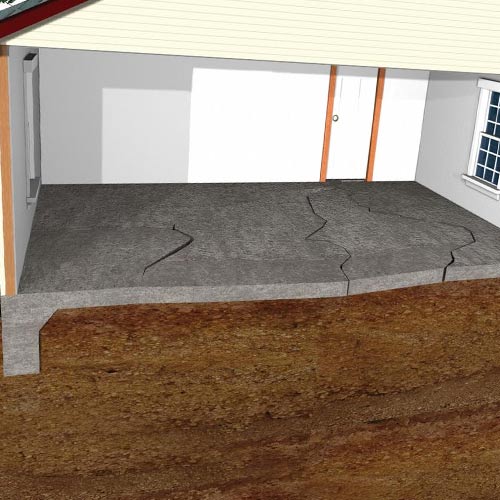
The type of soil your foundation is built on may not be the big issue. However, some types of soil may be harmful to the stability of your house than others, and can result in dampness in your basement.
Read more
Home Foundation
Sitting on Clay
and Silt Soils
The type of soil your foundation is built on may not be the big issue. However, some types of soil may be harmful to the stability of your house than others, and can result in dampness in your basement.
Read more
 Why Repairing
A Foundation Crack
Is Essential To Your
Home’s Integrity
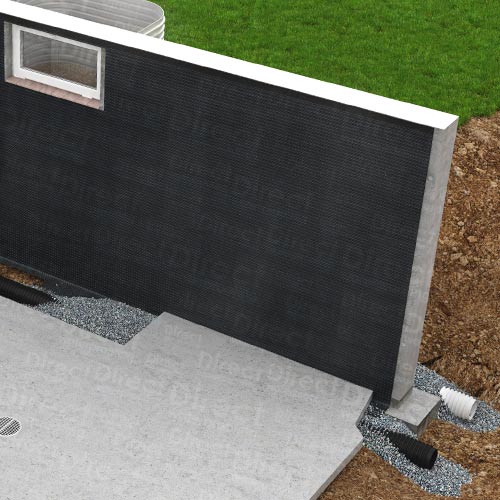
When you think about the foundation of your home, you probably picture a strong, solid base free from cracks or damage.
Read more
Why Repairing
A Foundation Crack
Is Essential To Your
Home’s Integrity
When you think about the foundation of your home, you probably picture a strong, solid base free from cracks or damage.
Read more
 What Is the Cost
of Sump Pump
Installation and
Replacement?
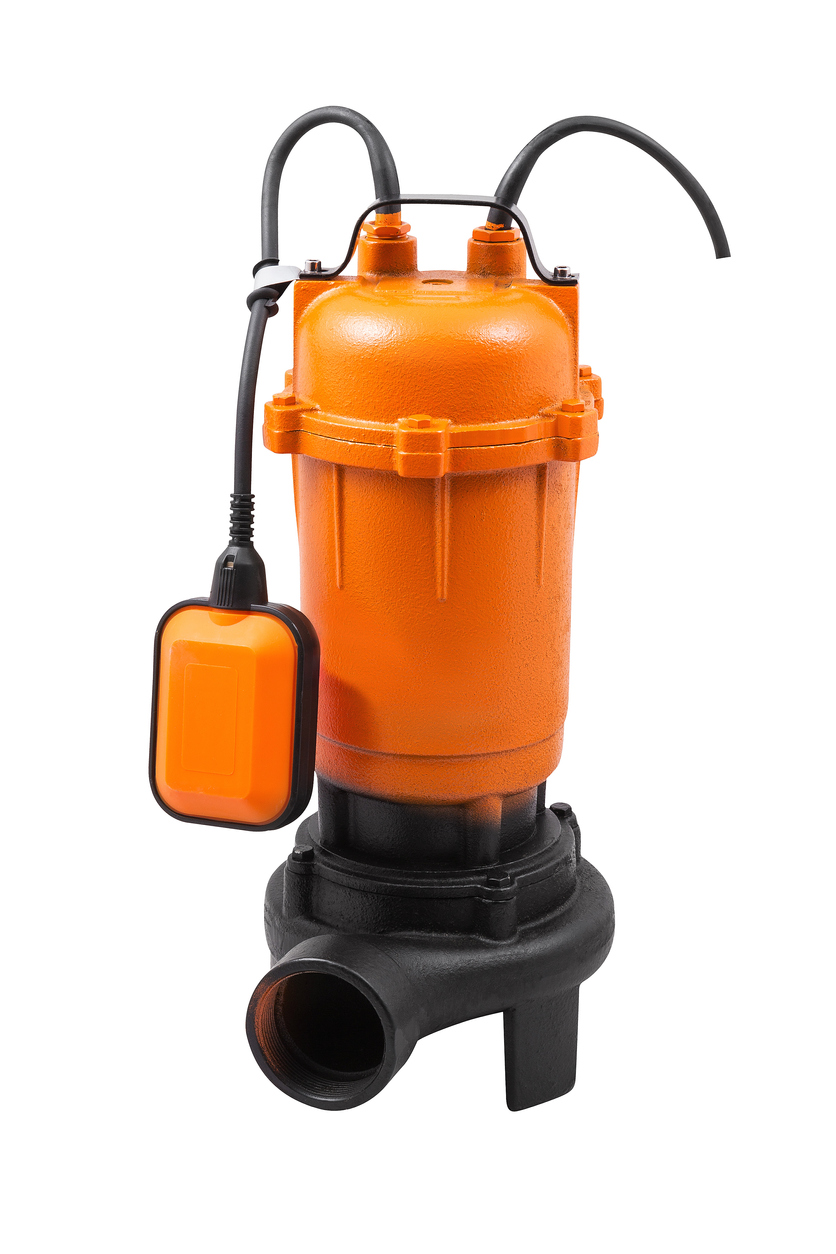
The cost of sump pump installation in Toronto depends on several factors, such as the sump pump type, basement flooring type, availability of a drainage system and its condition, or whether you hire a professional for the job or handle it as a DIY project.
Read more
What Is the Cost
of Sump Pump
Installation and
Replacement?
The cost of sump pump installation in Toronto depends on several factors, such as the sump pump type, basement flooring type, availability of a drainage system and its condition, or whether you hire a professional for the job or handle it as a DIY project.
Read more


