Quality service since 1995



Do you have a leaking basement foundation wall? This could be because building codes in Ontario have never called for waterproofing in home construction. Regardless of the type of foundation walls your house has, there is a very good chance they are not waterproofed. That is unless the basement foundation wall was custom built or the house’s previous owner installed waterproofing. It was not until about 60 years ago that damp proofing was introduced. Needless to say, damp proofing is not waterproofing.
Without proper basement waterproofing, foundations have a limited life span. This means at one point in time, your foundation walls will fall apart. The lack of waterproofing is the cause of many houses having sagging floors or leaning at an angle. In the past, homeowners never had to deal with these problems. The reason for this is the houses were not as old. Those houses are now more than 60 years old, and there are so many of them. These houses are nearing the end of their life cycle. It is only by adding waterproofing to these houses that homeowners can avoid a basement repair. The age of your home determines the type of foundation it has.
There are numerous types of foundation walls. When older waterproofing systems are not upgraded or replaced, leaking problems start to happen in most of these types of foundation walls. The case is the same where waterproofing was not installed properly. Therefore, it is important that you identify the kind of walls your house has to apply the waterproofing solution specific to it. Don’t hesitate to involve a professional. This post looks at some of the main types of foundation walls, why they leak and how they can be waterproofed.
Stone foundation walls are the most popular in old homes. These walls start leaking over time because the mortar between the stones starts to deteriorate. When cement in the mortar deteriorates, only sand is left. The sand will eventually get loose and allow water to seep through. This issue leads to major problems after heavy rains or during spring. If the issue is not resolved, the walls may collapse.
How do I stop my stone foundation from leaking? There are two options for waterproofing a leaking basement foundation wall: interior or exterior waterproofing. In interior waterproofing, the goal is to redirect water out of the basement. There are so many solutions available. The best ones involve installing drainage systems below the slab floor. The system has pipes packed in the stone to catch leaks and groundwater that gets in the foundation. There is also a combination of a thick vinyl vapour barrier, drain-board and concrete to replace the perimeter slab floor along the basement perimeter. The water is directed to a sump pit, where a sump pump pumps out the water and directs it away from the house.
Exterior waterproofing is all about foundation repairs. On how to repair a stone foundation wall involves more work than interior waterproofing. It is more expensive too. The perimeter around the foundation is first excavated. This may involve the removal of sections of walkways, landscaping, decking or driveways. Once the walls are exposed, the old mortar is removed and replaced with fresh mortar and waterproofing membranes. This is how waterproofing sandstone basement walls is done. Exterior waterproofing doesn’t hold up for long. That is why contractors rarely recommend them and offer a maximum 10 years warranty.
Basement waterproofing is trickier than other basement foundation repairs. This is because foundation stone walls are built unevenly. Working with an expert will guarantee the best and lasting results.
Insulated Concrete Form (ICF) foundations are relatively new in the industry. While they are an innovative option, they do leak if they are not appropriately waterproofed during construction. The main reason they leak is because of their hollow nature. These interlocking foam bricks are hollow polystyrene whose primary purpose is to offer insulation. If the walls are not covered with an effective membrane to keep moisture out, the walls will start leaking. Unfortunately, most contractors never cover the exterior with a membrane and never keep the dirt from touching the foundation because it is too expensive. This leads to leak problems.
Do you need to waterproof ICF foundation? The process is relatively easy when compared to waterproofing other types of walls. The multi-step waterproofing process involves many areas of the wall and other components of the building. Everything is focused on rerouting water away from the house. This includes adding a watershed from the structure as well as building runoffs from water sources.
As to what do you cover ICF foundation with, double layers of Hydro Guard waterproofing membrane are applied to the walls to create a waterproofing seal between the walls and the elements. A dimpled waterproofing membrane is then applied to stop moisture from getting to the foundation walls. It is easier to waterproof ICF foundation walls during construction because installing a drainage system will be less destructive since excavation will not be needed.
It is significantly different to waterproof an ICF structure than it is to waterproof a standard concrete construction. The reason for this is the nature of the EPS foam as well as its susceptibility to solvents. Therefore, you will only be able to use water-based materials with ICF foundation walls. However, you can also use peel-and-stick membranes to maintain consistency in membrane thickness, make installation easier, bridge all the seams and gaps, and make clean-up easier.
It is recommended to use a combination of waterproofing systems and materials to manage the various factors that influence hydrostatic pressure and moisture. Available options include peel-and-stick membranes, air-gap membranes, rolled, troweled and sprayed coatings. Keep in mind that solvent-based coatings will end up dissolving the ICF foam. This may happen slowly, and you might not notice until after backfilling.
Basement leaks in poured concrete foundations are prevalent. They are, however, easy and inexpensive to repair and are usually repaired from the inside of the house. The main causes of leaks include cracks, tie rod holes, honeycombing leaks from l-beam pockets, snap rods, pipe penetration through the wall, and leaks from the floor slab and foundation wall.
Are poured concrete walls waterproof? The answer is No. Waterproofing has to be done. While it can be done during construction, waterproofing is done to an existing home in most cases. This is common in homes that are decades old. Installing waterproofing during construction is the best way to go because no excavation will be needed, and applying an exterior waterproofing membrane will be a lot easier. The best concrete foundation waterproofing is asphalt-modified polyurethane. It is applied to the surface of the wall using a trowel to create a permanent moisture barrier. Insulating material and drainage boards can be added. When done during construction, the membrane is used to replace ‘damp-proofing’. An exterior drain tile has to be added to direct groundwater to a sump pump if the water table is high.
Water can get in through the cove joint (joint between the footing and the foundation wall). Cove seepage results from hydrostatic pressure under the foundation, which forces water through tiny openings. An interior drain tile and a perforated pipe that is buried in gravel can help reduce the pressure and reroute water to the sump pump.
The main cause of seepage is not found during construction – it can only be repaired. This issue is the non-structural cracks that are caused by the settling or lateral pressure on the foundation walls. They occur in random locations. These cracks have to be injected with expanding polyurethane to seal them. Always engage the services of a full-service basement waterproofing contractor.
Cinder blocks are large, grayish bricks made out of cement or masonry. They mostly leak because they are made of a highly porous material that soaks up water easily. After heavy rainfall, you may start seeing pinhole water leaks. These are caused by microscopic holes known as pores which form in the blocks. Waterproofing is required to stop pinhole water leaks.
Can you waterproof the cinder block? The answer is yes. The waterproofing process for cinder blocks is similar to that of poured concrete foundations. Two coats have to be applied. You also need a drainage system to be installed for the system to work correctly.
The first step in how to waterproof cinder block basement walls is to remove efflorescence and paint. You need the surfaces of the cinder blocks porous and bare. You can remove the paint by grinding, brushing or sand-blasting. A paint stripper can also be used. Brush away crumbling dust, concrete and dirt too. A wire brush can remove efflorescence.
The next step is to give the blocks time to dry. Sealers will not work well if the hollow cores and pores are saturated. If the walls are wet, you need to give them time to dry first. Ventilating the room will help speed up drying. In case the blocks are always damp, pierce some weeping holes underneath the cores.
The final step of how do you stop a cinder block wall from leaking is to apply a sealer. Allow the sealer time to cure for a few days before applying another layer.
 What You Should
Know About
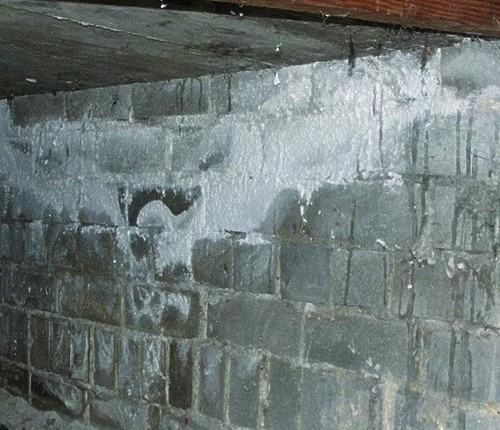
Weeping Tiles
Drainage problems are hard to uncover. By the time you are noticing puddles after a rainstorm, the problems may have already gone too far. Most drainage issues go undetected for many years.
Read more
What You Should
Know About
Weeping Tiles
Drainage problems are hard to uncover. By the time you are noticing puddles after a rainstorm, the problems may have already gone too far. Most drainage issues go undetected for many years.
Read more
 Main Causes
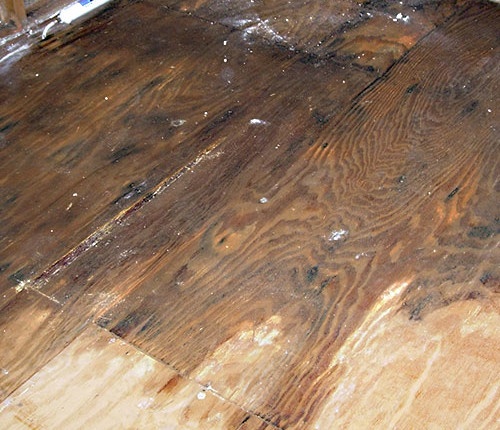
of Wet Basements
The history of flooding in Canada includes floods caused many natural causes with most home insurance claims in Canada deal with water damage due to sewer back-up, not fire related damage.
Read more
Main Causes
of Wet Basements
The history of flooding in Canada includes floods caused many natural causes with most home insurance claims in Canada deal with water damage due to sewer back-up, not fire related damage.
Read more
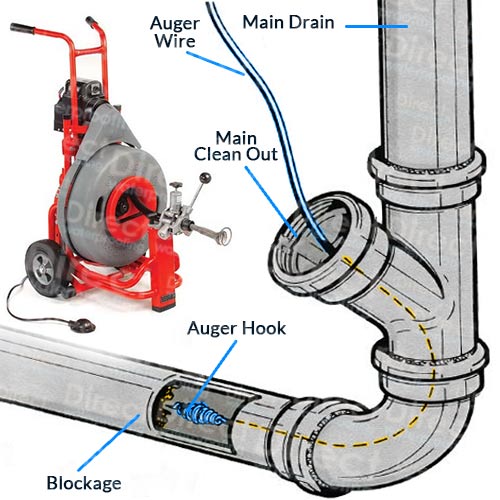 How Drain Snaking and Cleaning Can Save Your Pipes
Most homeowners never put too much thought concerning the network of water and sewer pipes that run through and over each other inside their walls to deliver hot or cold water and eliminate waste.
Read more
How Drain Snaking and Cleaning Can Save Your Pipes
Most homeowners never put too much thought concerning the network of water and sewer pipes that run through and over each other inside their walls to deliver hot or cold water and eliminate waste.
Read more


