Quality service since 1995



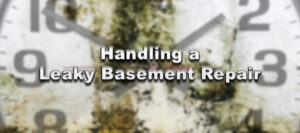
When it comes to our homes, there are two floors in particular that rarely seem to be visited or inspected. One of these is the attic. Unless your attic has been converted to living space, chances are good that you use it for storage and little else. Similarly, many people also avoid their basement whenever possible. I can’t tell you exactly why this is, although I suspect it has something to do with the fact that unfinished basements often seem to be damp and smell moldy or musty – they aren’t comfortable areas where we can live our lives and have fun, in other words, and so we avoid them or use them for storage.
Even just using them for storage, however, can be a risky business in the basement in question has not been inspected in a long time. That is because as time passes, cracks might begin to form in your basement or foundation walls. This allows water, be it groundwater or water from a flood, to trickle into your home. As a result, the basement and foundation can become damaged along with the personal items you’ve stored away down there. This is why it is important to pay attention to any potential issues in your basement, and remedy them quickly.
What causes leaks?
There are a number of things that can cause leaks in a basement. Sometimes the problem is that as concrete dries and the water within it evaporates, the material shrinks slightly. This can form many hairline cracks that might not seem like a big deal – and, indeed, might not even be visible to the naked eye at first – but can ultimately turn into a headache for homeowners. Remember that water can be incredibly stubborn, and finds away into even the smallest of spaces. As water trickles through those hairline cracks, they can begin to widen and erode. This leads to even bigger entrances for water to sneak past – and before you know it, you are in need of leaky basement repair.
How can leaks be repaired?
Leaky basement repair can be handled in a number of different ways. Many people opt to seal the cracks with some kind of epoxy, for example, and rely on that to keep the foundation and basement nice and dry. This can sometimes be a little trickier than it seems, however, because most epoxy must be applied to dry surfaces. That means that if your basement is already wet, you will need to figure out how to dry out the cracks in order to ensure that the epoxy takes hold.
If you’re looking for leaky basement repair, it might be worth your while to contact a professional who understands how to help keep your basement nice and dry. Contact us today!
 The Benefits Of
The Waterproofing
Platon Membrane
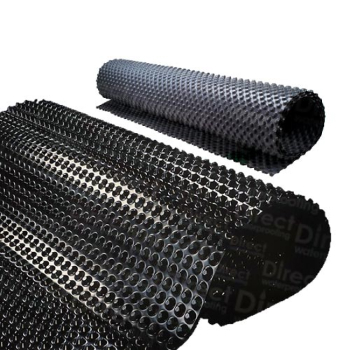
Having a dry basement is a top priority for any homeowner. One product that can help with wet basement waterproofing is the Platon.
Read more
The Benefits Of
The Waterproofing
Platon Membrane
Having a dry basement is a top priority for any homeowner. One product that can help with wet basement waterproofing is the Platon.
Read more
 How Pre-emptive
Drain Cleaning Can
Benefit a Homeowner
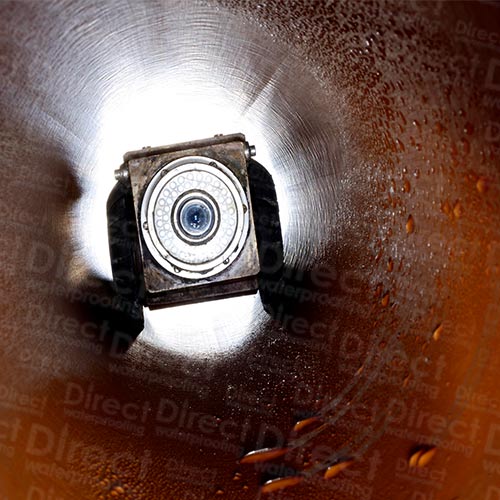
The most important thing on the mind of a homeowner is how to maintain his house and keep it in a very good shape.
Read more
How Pre-emptive
Drain Cleaning Can
Benefit a Homeowner
The most important thing on the mind of a homeowner is how to maintain his house and keep it in a very good shape.
Read more
 5 Simple Steps For
Mold Removal and
Waterproofing
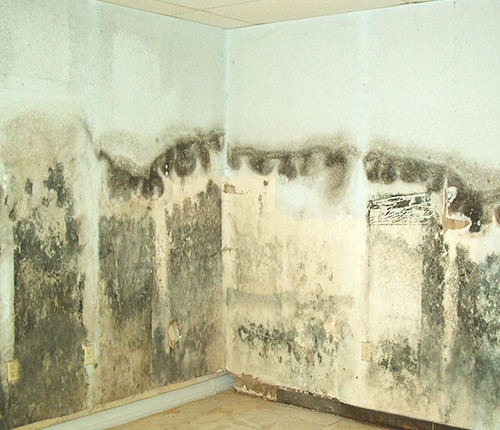
Let’s take a look at the five simple steps you need to know when it comes to mold removal and basement waterproofing.
Read more
5 Simple Steps For
Mold Removal and
Waterproofing
Let’s take a look at the five simple steps you need to know when it comes to mold removal and basement waterproofing.
Read more


