Quality service since 1995



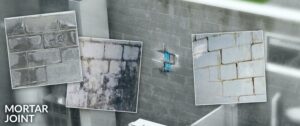
There’s nothing like damp and leaks to spoil a basement. There can be many ways in which water can enter your foundations and home, and many reasons why this can occur. One possible point of entry is through mortar joints.
This can occur if your property’s foundations are built using cinder block, brick, or stone rather than concrete. Water can find its way in through the mortar, and eventually seep into your basement.


No matter what the problem, Direct Waterproofing can provide a highly effective solution that will make sure your home stays dry. In the case of leaking mortar joints, there are several solutions that we might implement. You can arrange a consultation with us so that we can diagnose and confirm the problem, and discuss possible solutions with you fully.
Solution options could involve interior waterproofing, such as delta membrane walls to channel the water into a drainage. We can install weeping tiles that will safely and discreetly carry water away from your property.
Exterior waterproofing is also an option. We can fully waterproof your exterior walls with a membrane that will ensure water never even touches your actual foundations. This is a highly effective solution, especially when combined with exterior drainage to stop water from pooling against your home.
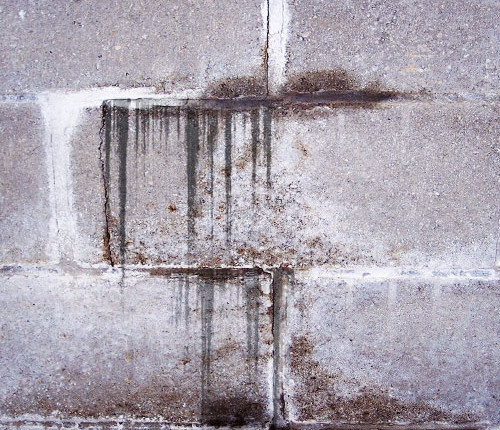 Mortar Joint
Your mortar joint can leak for several reasons. Mortar can simply deteriorate over time, especially if badly weathered and subject to harsh conditions.
Read more
Mortar Joint
Your mortar joint can leak for several reasons. Mortar can simply deteriorate over time, especially if badly weathered and subject to harsh conditions.
Read more
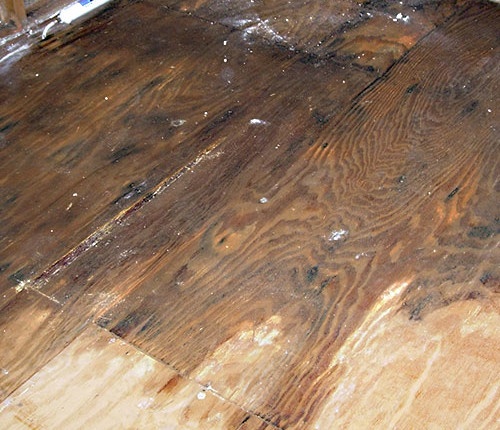 Deterioration of
carpet or wood
If you see that your carpet or wood floor is coming under damage, then you might also want to look for the source of entry for water, and look for further clues as to how and why your basement is damp.
Read more
Deterioration of
carpet or wood
If you see that your carpet or wood floor is coming under damage, then you might also want to look for the source of entry for water, and look for further clues as to how and why your basement is damp.
Read more
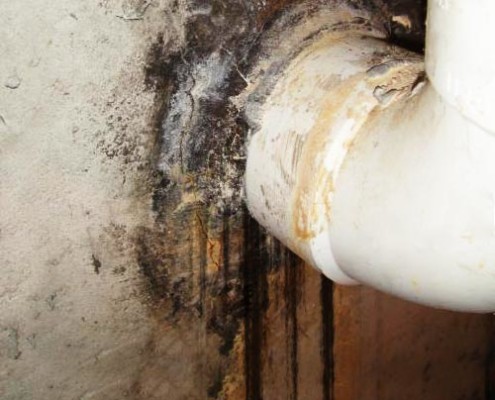 Pipes Penetration
Pipes, vents, ducts, and conduits are all required to enter the building at some point in order to connect your home to services like gas and water.
Read more
Pipes Penetration
Pipes, vents, ducts, and conduits are all required to enter the building at some point in order to connect your home to services like gas and water.
Read more


