Quality service since 1995



Done Right The First time






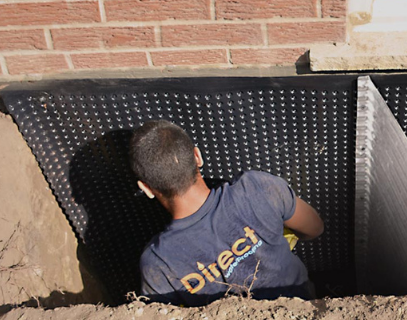
Multiple factors can cause water leakage in a basement. One of those causes is rainwater gathering near the foundation and seeping through into the basement foundation and floors.
Other causes are:
Each of these problems needs different solutions to be permanently fixed. You need experts to identify those causes correctly; otherwise, your remedial measures could be fruitless. Only professionals with years of experience and extensive knowledge and equipment will be able to determine the causes of the leaks accurately. They are also in a better position to deliver befitting solutions that aren’t trial and error.
Regardless of the cause, leaks have the potential to cause costly damages if not tackled soon. The best approach is to prevent the damage from happening. If it does, your best solution will be to prevent it from spreading. Prevention will not only save you a lot of money; it will also keep you safe by maintaining the integrity of the property. Proficient waterproofing service providers can prevent damages from happening. Call a team for regular inspections, and they will identify potential problems and solve them before they occur.
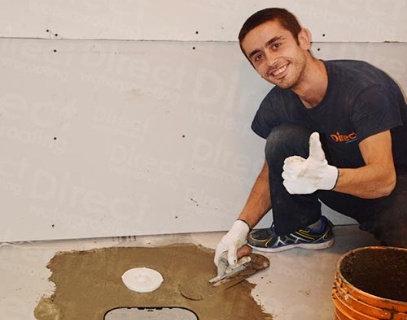
Having a refined team to handle your basement leaks also comes with satisfaction and value for money. Since such issues could damage the foundation and structure of the house, you will rest easy knowing your home is well-protected. You won’t worry about other potential problems like flooding and the financial repercussions they can have on you. You have more time to focus all your attention on other important aspects of your life, such as your career and your loved ones, thus improving your overall quality of life.
Leaks from the walls are usually some of the hardest to identify unless you pay close attention. However, sometimes the signs will be easy to spot, especially when you have bright colours on the walls. Some of the signs we look for are:
Chalky substances: The substance, known as efflorescence, is sometimes white in colour. It forms when water reaches the inner walls and dries out, leaving the crystalline substance.
Discoloration: We also look for staining on the walls as it can also indicate signs of water presence. The stains could be small spots or large ones, depending on the pattern of the damage. The stains are usually caused by acidic water from outside the house. We take care of the problem as quickly as possible to ensure no further damage is done.
You could also do a simple experiment using foil paper. Seal in aluminum foil and place it on the wall for 48 hours. If you notice moisture on the foil, you’ll know there is moisture on the walls. Contact us the moment you observe this, and we will give you a permanent solution.
Increasing moisture could be the first sign that your basement isn’t in optimal condition. In most cases, your basement may be damp and cold if it doesn’t have good ventilation and insulation systems. If you have invested in quality systems that have also been installed correctly, there shouldn’t be extra moisture. If there is, the water could be coming from another place, like the foundation or the cracks on the floor allowing water from the ground to reach inside the basement.
We will start by inspecting the cove area. This area, where the wall and the floor converge, is susceptible to cracking and allowing water in. Our professionals will look for cracks.
Mould can cause a lot of health issues that range from eye and skin irritation to respiratory tract infections. Different types of moulds produce various types of pores that could have different repercussions. The presence of mould can be identified through a musky smell in the room or dark spots on the walls. We will inspect your basement to determine the type of mould growing there. We will then remove them and ensure they don’t recur.
It’s not advisable to paint over mould because it will keep spreading as it grows under the paint. Fungi can still be dangerous even if you don’t see them.


The average cost per linear footage ranges between $100 and $300.
You will pay between $70 and $240 per linear footage.
The cost ranges from $250 to $640 per footage. You will pay $500 – $1000 for sealing and $250 – $800 for small cracks repair. You could pay up to $10,000 for extensive foundation damages.
The price you’ll pay will be between $1800 to $3800, depending on the size of the window.
Fixing plumbing issues will cost from $150 to $350.
If you want to prevent water damage by investing in the right appliances like humidity triggered exhaust fans, the price will be between $100 and $500.
To repair or install a sump pump, the cost will range from $600 to $900, but if it includes a tank, the price will be up to $2700. If you want a battery back-up as well, you might pay up to $3500 for the installation.
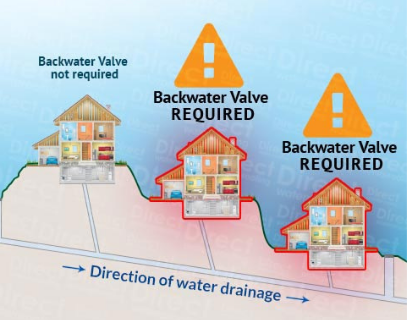
Installing a backwater valve inside will cost you at least $1800 and at most $2700. If it is outside, the price will be between $2000 and $3200.
To prevent warm air from rising and condensing inside, be ready to pay from $100 to $400.
We will give you a quote depending on the services you need. You can be sure that our rates will be fair and transparent.
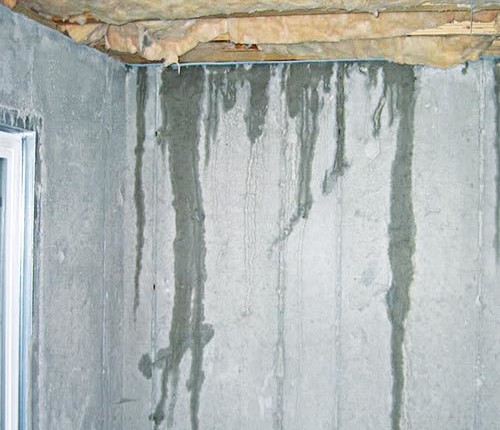 over top of
the wall leaking
It is usually quite an obvious problem when water is coming in over the top of your wall, but as with all basement leaks it is always better to catch it.
Learn more
over top of
the wall leaking
It is usually quite an obvious problem when water is coming in over the top of your wall, but as with all basement leaks it is always better to catch it.
Learn more
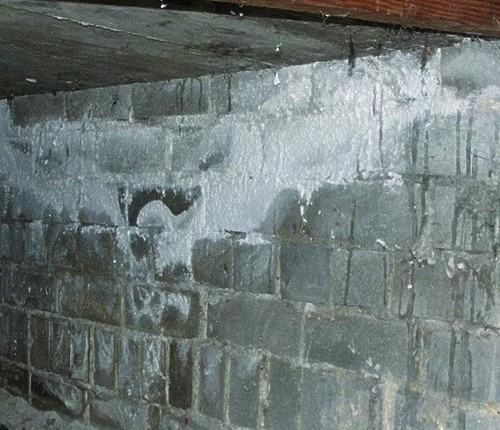 Efflorescence
 is a white chalky substance that can sometimes be seen on walls, and may look like little whiskers.
Learn more
Efflorescence
Efflorescence is a white chalky substance that can sometimes be seen on walls, and may look like little whiskers.
Learn more
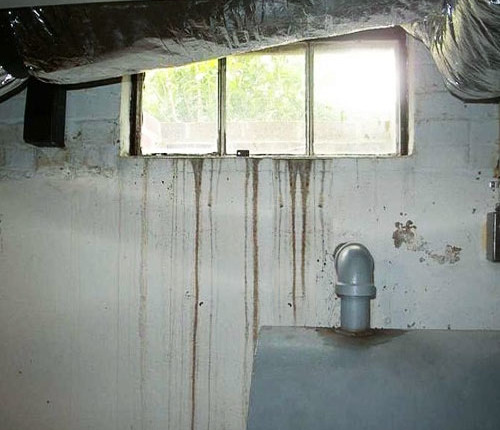 Window Well Leaking
A window well leak is pretty easy to spot, because you will notice water coming directly into your home around where the well is located.
Learn more
Window Well Leaking
A window well leak is pretty easy to spot, because you will notice water coming directly into your home around where the well is located.
Learn more
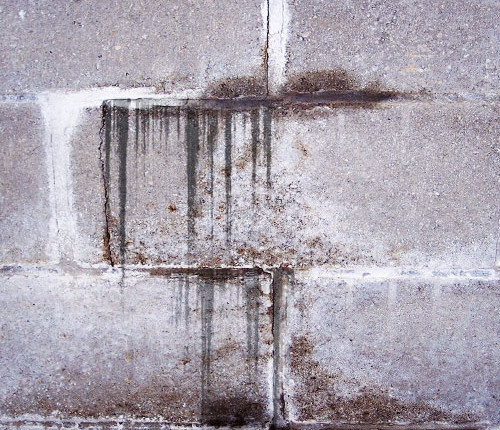 Mortar Joint
Your mortar joint can leak for several reasons. Mortar can simply deteriorate over time, especially if badly weathered and subject to harsh conditions.
Learn more
Mortar Joint
Your mortar joint can leak for several reasons. Mortar can simply deteriorate over time, especially if badly weathered and subject to harsh conditions.
Learn more
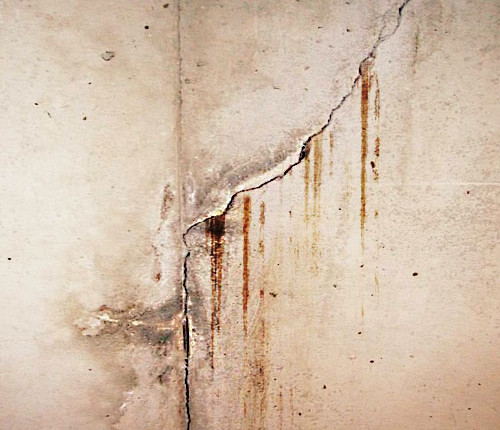 Wall Cracks
A crack in the wall can be a warning sign that some water damage is occurring, or it can be a sign of some other structural problem.
Learn more
Wall Cracks
A crack in the wall can be a warning sign that some water damage is occurring, or it can be a sign of some other structural problem.
Learn more
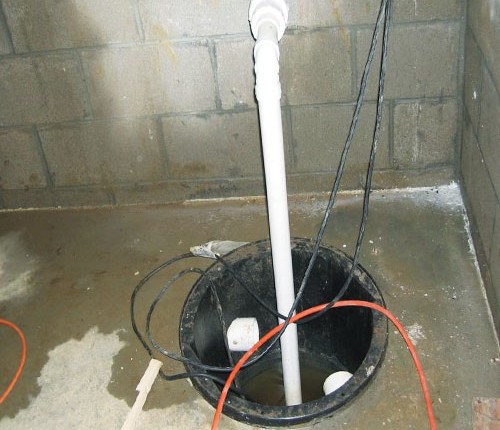 Sump Pump Leaking
When a sump pump fails, either due to a problem with the individual unit, or because the power to your home has been cut off in a storm, it will just stop working.
Learn more
Sump Pump Leaking
When a sump pump fails, either due to a problem with the individual unit, or because the power to your home has been cut off in a storm, it will just stop working.
Learn more
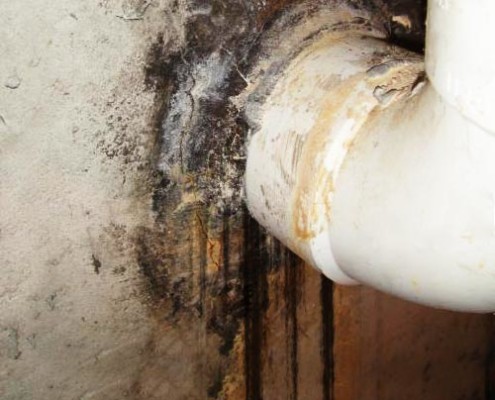 Pipes Penetration
Pipes, vents, ducts, and conduits are all required to enter the building at some point in order to connect your home to services like gas and water.
Learn more
Pipes Penetration
Pipes, vents, ducts, and conduits are all required to enter the building at some point in order to connect your home to services like gas and water.
Learn more
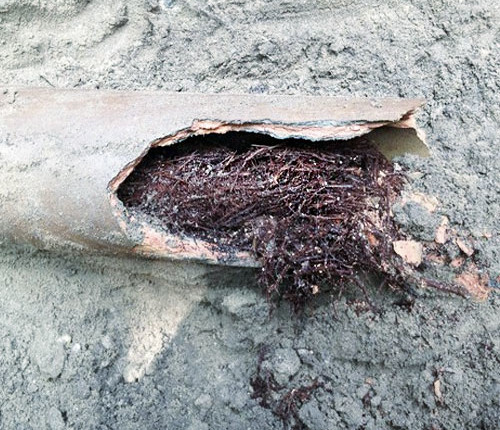 Clogged Drain Tile
Drains can get clogged for a number of reasons. A common cause is tree roots, which can take up hold in your drain pipes and provide a solid barrier.
Learn more
Clogged Drain Tile
Drains can get clogged for a number of reasons. A common cause is tree roots, which can take up hold in your drain pipes and provide a solid barrier.
Learn more
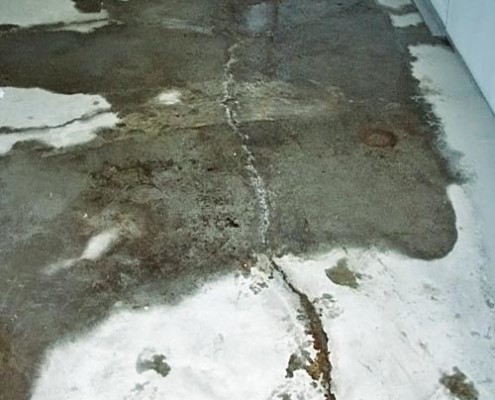 floor cracks leaking
Floor cracks come in all sorts of shapes and sizes, and will be quite apparent if you examine the concrete of the basement floor.
Learn more
floor cracks leaking
Floor cracks come in all sorts of shapes and sizes, and will be quite apparent if you examine the concrete of the basement floor.
Learn more
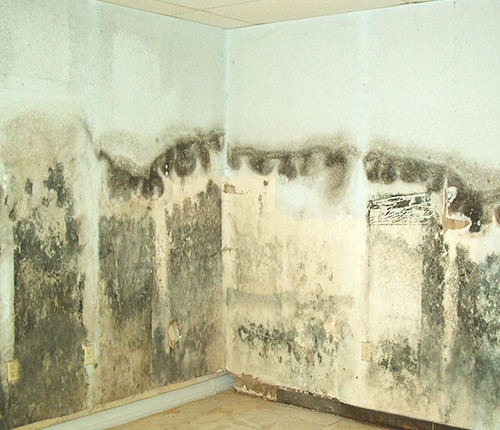 Mold and Mildew
One of the worst and most harmful signs of a basement leak, is the presence of harmful mold and mildew.
Learn more
Mold and Mildew
One of the worst and most harmful signs of a basement leak, is the presence of harmful mold and mildew.
Learn more
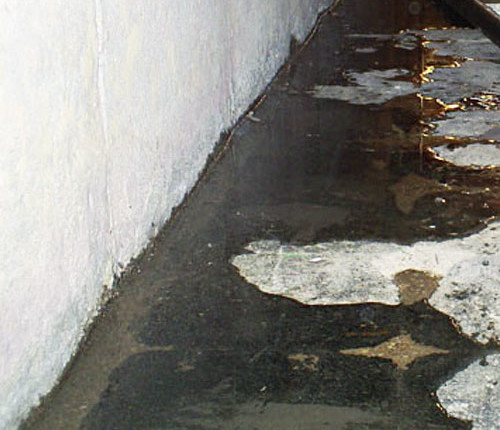 Cove Joint
Cove joint seepage usually occurs due to hydrostatic pressure. This is where ground water along your foundation walls and underneath your floor rises, and seeps upwards.
Learn more
Cove Joint
Cove joint seepage usually occurs due to hydrostatic pressure. This is where ground water along your foundation walls and underneath your floor rises, and seeps upwards.
Learn more
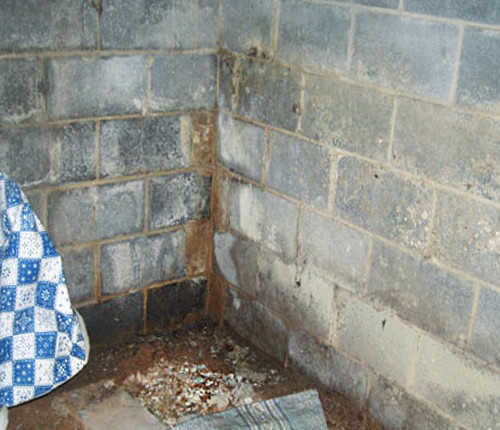 Clay silt
Clay soil has the finest particles, and therefore absorbs water, expands, and contracts the most out of any soil. Silt also does this, but not to the same extent. If your soil is mostly clay and silt, then your home could settle unevenly.
Learn more
Clay silt
Clay soil has the finest particles, and therefore absorbs water, expands, and contracts the most out of any soil. Silt also does this, but not to the same extent. If your soil is mostly clay and silt, then your home could settle unevenly.
Learn more
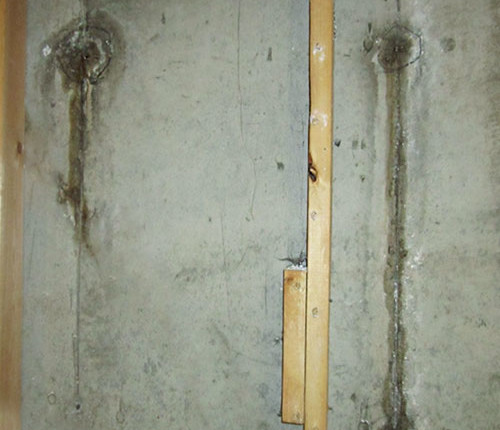 Tie Rod
If your tie rod holes are leaking, then you might see a small stain about the size of a coin on the inside of your basement walls, or a water line that leaks all the way down to the floor.
Learn more
Tie Rod
If your tie rod holes are leaking, then you might see a small stain about the size of a coin on the inside of your basement walls, or a water line that leaks all the way down to the floor.
Learn more
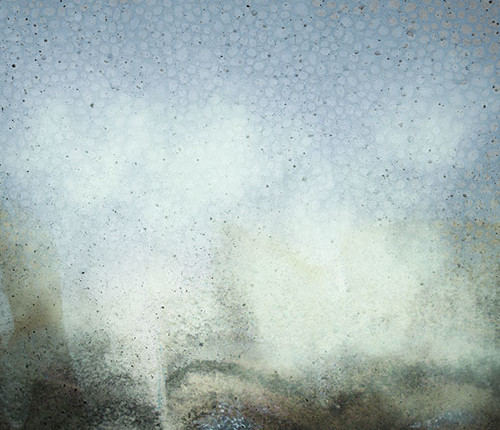 Damp and humid air
You might first notice the smell if the air in your basement is damp and humid. There will be a heavy pungent smell, accompanied by a feeling of the air being thicker than it should be.
Learn more
Damp and humid air
You might first notice the smell if the air in your basement is damp and humid. There will be a heavy pungent smell, accompanied by a feeling of the air being thicker than it should be.
Learn more
 Unpleasant odor
The odor of a damp basement is not pleasant at all. It smells unhealthy and dank. It hangs thick in the air, and can make it difficult to breathe.
Learn more
Unpleasant odor
The odor of a damp basement is not pleasant at all. It smells unhealthy and dank. It hangs thick in the air, and can make it difficult to breathe.
Learn more
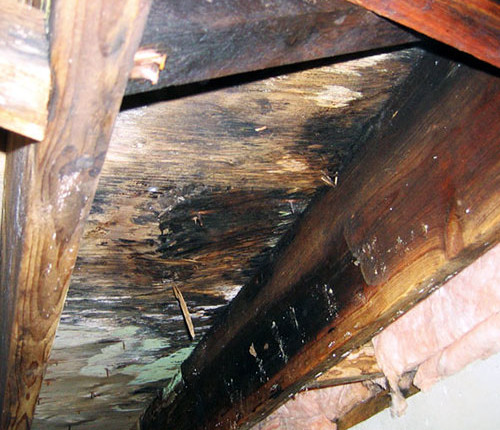 Rotted wood
Wood usually rots as a result of damp, or some sort of water-based damage, so if you spot any you could be dealing with a leaky basement.
Learn more
Rotted wood
Wood usually rots as a result of damp, or some sort of water-based damage, so if you spot any you could be dealing with a leaky basement.
Learn more
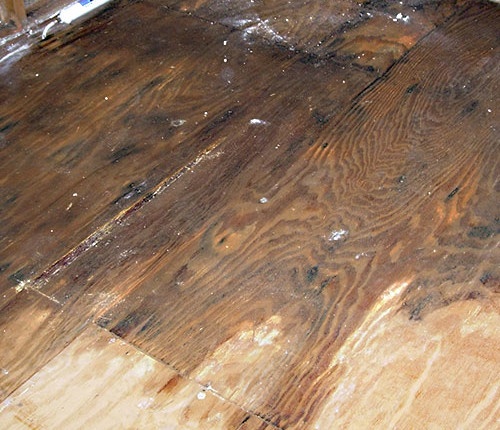 Deterioration of
carpet or wood
If you see that your carpet or wood floor is coming under damage, then you might also want to look for the source of entry for water, and look for further clues as to how and why your basement is damp.
Learn more
Deterioration of
carpet or wood
If you see that your carpet or wood floor is coming under damage, then you might also want to look for the source of entry for water, and look for further clues as to how and why your basement is damp.
Learn more
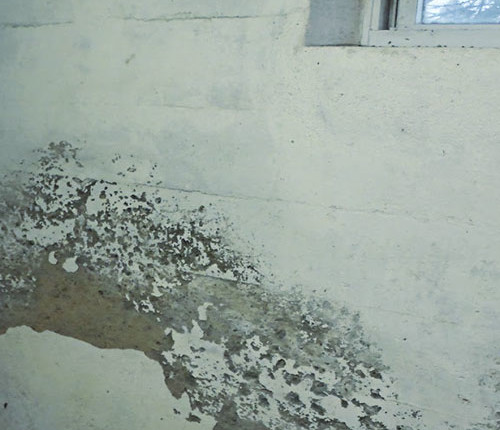 Drylock flake
Your foundation wall sealant is usually applied after construction of the foundations, and is a paint or thicker sealant that provides a basic level of water protection, helping to keep the wetness out of your home.
Learn more
Drylock flake
Your foundation wall sealant is usually applied after construction of the foundations, and is a paint or thicker sealant that provides a basic level of water protection, helping to keep the wetness out of your home.
Learn more


