Quality service since 1995



The cost of sump pump installation in Toronto depends on several factors, such as the sump pump type, basement flooring type, availability of a drainage system and its condition, or whether you hire a professional for the job or handle it as a DIY project.
The average cost to install a sump pump in the region is $1,011. Most property owners spend between $490 and $1,170 working with a professional, but that price can be as low as $280 if you handle the replacement alone.
The sump pump installation cost can be as high as $5,500 if you want to build a new system, with the possibility of the amount reducing to $2,500 if you only need some parts. When comparing prices according to the sump pump type, a pedestal pump costs between $60 to $170, and a submersible one ranges from $100 to $400.
A pedestal or submersible sump pump can solve excess moisture issues in the basement. Proper placement of the units can permanently eradicate mould and humidity, but the process can be time-consuming. Professionals must dig the basement floor using efficient tools and equipment.
So how much does it cost to install a sump pump in the basement? The amount can range between $640 and $1,915. Some waterproofing companies rent sump pumps as backup units if the primary system fails.
The basement sump pump system cost can increase to $3,900, especially if the job takes longer and you consider other factors like crawl space size.
Dealing with crawl spaces is not always easy. That is why sump pump installation costs in such areas are higher than in basements. Accessing or working in crawl spaces is strenuous, which increases the time it takes to complete pump placement.
The average height of crawl spaces is three feet, meaning regular-size equipment are not practical in such situations. Installers must instead use hand tools to dig.
You will spend a maximum of $3,900 on sump pump installation in the crawl space. The exact price depends on your preferred pump unit type, the duration needed for labour, and the height of the crawl space.
Outdoor sump pumps are vital in areas that receive rainfall frequently. Their primary role is to prevent water from reaching the basement if the yard floods. The absence of a proper drainage system causes cracks on the foundation, exposing the basement to more moisture that causes other water-related issues.
The average cost of such installations is $$1,220.
You must consider the outdoor elements when choosing a pump. Submersible pumps are always better, especially if they can resist damage by fluctuating high and low temperatures outside. The size of the yard also matters – think about the amount of water you need to redirect and ensure the sump pump has the capacity to do the job.
Pedestal pumps have underground sump bases, but the sump basins remain on top of the basement or any section you want to keep dry. They are more suitable for places with minimal water issues because they are more susceptible to clogging. Although their placement method points to their main disadvantage, it also makes them easier to maintain, which is their best advantage. You can access and repair them stress-free.
The functionality of pedestal pumps is similar to that of a flushing toilet tank. Water under the basement floor automatically activates the pump when it reaches a specific level. The pump redirects the water away from the house to prevent imminent flooding.
The average cost of installing such pumps ranges between $60 to $170. However, some brands, especially those with a lifespan of up to 25 years, can cost up to $275.
Submersible sump pumps are invisible from the floor level – the pump basin and the entire device remain underground. Because of that placement, their installation is easier during house construction. The submersible pumps are more effective than the pedestal options and are often preferred for places that experience significant flooding. They also operate more silently, with a longevity of between 10 to 12 years.
You need between $60 and $420 to install a new submersible pump. Ensure the pump fits inside the existing sump basin if you are doing a replacement. You could spend as much as $625 for some installations depending on the components you need and the labour involved.
Water-powered sump pumps cost between $100 and $300 to install, which is significantly lower than their battery-powered counterparts. The pumps require running water to keep the basement dry – water flows through the pipe to create a suction that redirects the excess moisture from the basement. The volume of water they need has led to some regions banning or phasing them out. Places that allow them require mandatory inspection annually. That means you must account for the inspection fees when considering installing them.
The sump pumps rely on municipality water to run – alternatives like wells cannot work because they require electricity, meaning the pump stops working if there is a power outage. That also means you must connect the pump to the plumbing system, which increases the complexity of the installation process. On the upside, you do not have to worry about battery life or regular replacements. The pumps work as required for a prolonged duration.
Battery-powered pumps rely on a deep cycle to keep the basement dry. They cost more, between $150 and $500, but they also have a better performance capacity. The pump is also more efficient, making it ideal for places with high water volumes. Installation is often straightforward, and you can monitor the pump constantly using an app. Batteries usually last between three to five years, but you need an extra one for emergencies.
Battery-powered pumps are suitable for any home – you do not have to worry about restrictions by local authorities. Their ability to clear more water makes them better than water-powered pumps.
The primary sump pumps common in most basements are either pedestal or submersible sump pumps. Combination sump pumps combine the best features of the primary sump pumps with battery-powered options, delivering an unmatched performance capacity. They cost more to install, from $270 to $450, but you get all the advantages of the pumps with minimal to no disadvantages.
Location is essential because of climatic and human factors. Different regions receive different amounts of rainfall, which influences the kind of sump pump you need. For instance, you will need a large submersible pump if you live in a rainier place. Human factors include labour costs, permit fees, and the preferred payment method by the contractors – whether by the hour or a standard rate. They all differ in every region.
A key factor to consider is the performance capacity of the sump pump. For example, homes in wet areas need stronger or bigger pumps than those in dry areas. Check the horsepower of the pump when considering size – it should be proportional to the volume of water under the basement. The higher the water volume, the bigger the horsepower should be.
There are three pump sizes you can consider.
.25 horsepower – is the smallest size, but it is enough to keep your basement dry if your location receives minimal rainfall. The cost ranges from $60 to $170.
.33 horsepower – the medium-sized sump pump is the most popular type in most homes in Ontario. It’ll cost you between $60 to $500.
.5 horsepower – the sump pump can eliminate up to 3000 gallons per hour. It is the perfect option if you live in an area that gets soggy frequently or if you still deal with moisture issues regularly, yet you have a sump pump already. You will spend between $90 and $340.
Floor types influence the time it takes to complete a sump installation and the amount of labour that goes into the task. Floors covered with concrete take longer to work on compared to dirt floors. Installers will require a jackhammer and other tools to get past the surface, then apply concrete again when finishing around the sump pump basin. That can increase the cost by $2,500 or $5,000.
The cost to install a sump pump on a dirt floor is significantly lower, ranging from $300 to $500. However, you must factor in the possibility of digging walls to place pipes when considering the floor type.
Upgrading the existing drainage system to accommodate a new sump pump is not simple. The waterproofing experts must remove soil and concrete from the basement, covering a 24-inch circumference. They will then add gravel, drain tiles, sump basin, and finally replace the concrete.
The amount of water present in your location should be your guideline when choosing components of the drainage system. The larger the volume of water, the larger the drainage pipes should be. Expect to spend between $4,000 and $12,000 for such a project.
Flood insurance is a good protection mechanism in addition to sump pump installation. It is a valuable addition in crawl spaces or basements that experience moisture-related issues frequently. Such insurance covers can cost $775 yearly, but they provide the comfort of knowing you can get compensation in case of damaging basement flooding. However, you should add that price to the cost of installing a sump pump to get a summation of the amount you need.
The material used and the size of the sump pump determine its quality. That is why cast-iron pumps are better than plastic alternatives, even if they cost more. Higher quality pumps offer more value and are often more expensive.
You can get a .33 horsepower non-submersible pedestal sump pump at $60, which is the lowest amount. You can also spend between $450 and $500 on a .5 HP combination sump pump for backup.
Sometimes water can be too much for the sump pump to handle – that happens if you underestimate the water quantity and get a smaller pump. Some modern sump pumps have Bluetooth connection features that notify you when the water level becomes too much. You only need to pay attention to your phone when the alarm rings, informing you that the sump pump cannot handle the water. Such high-end pumps can cost more than regular ones.
The battery backup on sump pumps costs $1,220 – they are costlier than regular pumps. The price can be higher for batteries with longer lifespans. The backups provide power for the sump pumps to continue working even if there is a blackout. The stored battery life kicks in, allowing the pump to continue keeping your basement dry.
Battery backup for sump pump replacement cost may be in the same price range.
Reserve pumps are popular in places where excess flooding is common. Experts often recommend multiple pumps in such locations – they come in handy if the primary pump fails to eradicate all the water. You can turn them on to provide additional power to enhance performance. Reserve pumps cost range from $100 to $400.
The quality of all the existing pump components also matters. For instance, a heavy-duty sump basin costs $60, while low-quality basins cost between $23 and $30. Similarly, superior pumps cost around $450, while plastic ones with limited horsepower cost $60. The expensive ones offer value for money because of their performance capacity. Consider your current budget, the amount of water you want to get rid of, and the durability you want.
Sump pump filters require regular replacement to prevent clogging. Changing them at least once yearly ensures foreign objects do not get stuck on the pump, enhancing its functionality. Frequent filter replacement also prolongs the pump’s longevity and saves you from spending too much on repairs by preventing unnecessary failure. You need $60 for a new filter.
The pumping distance determines the horsepower. The further you need to redirect the water, the stronger the horsepower. 1 HP will cost you around $200 to $250. However, most homeowners use 1/3 HP, which you can get at $180 or $288. You may need a higher horsepower if your basement is prone to excess water exposure.
You need to set aside a portion of your sump pump budget for possible repairs, even if you do not think you will need them. Such preparation is crucial if the basement encounters water issues regularly. Repair and maintenance costs range from $200 to $870, but an average of $250 should be enough to get professional restoration services.
So how much should a sump pump installation cost? The total amount you need should be the repair and maintenance cost and the installation price. That gives an average of about $1,295. It could be less or more, depending on the pump type.
How much does it cost to put a new sump pump in? The answer depends on the type of sump pump you have. A submersible pump ranges between $490 and $1,170, while pedestal pump costs from $490 to $600 to replace. Labour costs can vary from $275 to $1000.
The specifications of the existing sump pump are critical when considering a replacement. The new pump should be the same size as the old one to avoid interference with power flow. Remember, changing to a larger pump means installing bigger pipes, which translates to higher voltage requirements. Other tips worth considering include:
The float switch controls how the sump pump turns on and off. If the float switch gets damaged, the pump stops working as it should. That is why an alarm is fundamental – it helps you monitor how the pump starts and stops when the water level rises and decreases. Replacing the float switch costs $35 to $70, including labour.
A check valve ensures water flows in the intended direction – it keeps water from getting back into the basin when the pump is off. A dysfunctional valve causes a backflow of water, resulting in the pump overworking to compensate.
The pump engine can overheat or burn if the check valve remains unfixed. You need between $15 and $30 for the replacement valve. The amount will be higher if you hire a professional.
Several factors influence labour charges. The major one is the duration it takes to complete the replacement. Most plumbers charge from $45 to $80 per hour. If the job takes up to 8 hours or more, you could pay between $360 and $800. If you make a service call, you may spend $75 to $150 or more depending on how far you are because some service providers charge for mileage.
Proper maintenance can guarantee the best output from the sump pump all year round and reduce repair costs significantly. A professional can charge between $200 and $870 to perform maintenance routines and repairs, but you can also reduce the chances of permanent damage by monitoring the unit closely. Start by knowing the best maintenance methods to adopt. The following measures can keep the pump in proper working condition for longer.
Protecting the pump from extreme cold weather
Winter weather can adversely affect the hose if mitigation measures are not in place. Extreme cold can cause the hose extensions to freeze, increasing their chances of bursting and flooding the basement when they thaw. You can prevent that by removing the extension at the onset of winter.
An alternative is to unplug and thaw the hose in the sump basin. That applies if the hose clogs with ice unexpectedly. Ensure the pump is off before removing the extension.
Fixing continuous cycle
Sump pumps should not run continuously without stopping. They have an on and off cycle depending on the presence or absence of water. Call a plumber if yours does not turn off. They will determine if the float switch is the problem or if the pump has reached the end of its lifespan.
Paying attention to unusual noises
Sump pumps produce a distinct mechanical noise whenever they run. Call a plumber immediately if you notice a change in the regular noise. Examples of strange noises include rattling, gurgling, or thumping sounds. Such changes are common if the motor is damaged.
Checking the water level in the basin
The sump basin should always have some water, the lack of which indicates the drainage is not working as it should. Disconnect the hose and call a plumber immediately after you notice the dry basin.
Conduct visual inspections and check for clogs
Clogging is common on sump pumps that do not have covers. Dirt and other detritus can accumulate on it over time, which causes the system to fail eventually. You can inspect various components of the pump and remove debris around them.
An in-depth inspection involves pouring some water into the basin, enough to start the pump, then checking for debris or blockages if the pump does not turn on. Unplug the unit and inspect the float switch. Assess the discharge pipe as well to ensure it is not clogged.
Clean any debris you find in the pipe. Repeat the process on the backup sump pump, then plug it on. Invest in a cover to prevent future blockages.
Sump pump installation is possible as a DIY project but hiring a reputable contractor is always a good idea because of the digging involved. Experts charge an hourly rate ranging between $45 and $200 – it could be more depending on the labour force required and the extent of digging or drilling necessary. Remember to add that to the purchase price of the pump, which is around $700 when calculating the cost of installing a sump pump.
If you DIY, the sump pump replacement cost can be lower because you only pay for the pump. However, you need all the necessary tools and safety equipment considering you will be working around electricity and water. The amount you could spend will depend on the tools you already have and those you must purchase.
Start by digging out the reservoir 18 inches wide. Monitor the hole and note the amount of water accumulating inside when it rains.
Ensure the reservoir is empty and watch it fill up during the rain.
Measure the quantity of water at the end of one minute of the rainfall. Find out the depth in inches, then multiply by 60 to get the measurement in gallons.
You cannot use those exact measurements – you need some extra inches that you can get by multiplying the product by 1.5. You will need a three-quarter HP sump pump if the result is more than 35 gallons. 1/3 or ½ HP pumps can suffice if the water is less than 35 gallons per minute.
Where you choose to buy the sump pump plays a role in the amount you spend. Home Depot has pumps ranging from $58 to $500, while Lowes stocks them from $65 to $620. The most superior pump at Home Depot is a combination system with advanced features and Wi-Fi connectivity going for $1,700.
The average longevity of sump pumps is ten years. However, the exact lifespan of your unit will depend on how much you rely on it and the maintenance measures you put in place. The pump may not last ten years if your basement has extensive water issues forcing the pump to work excessively. You can increase the chances of a longer lifespan by getting the correct sump pump size and horsepower for your basement.
The horsepower determines the amount of power the sump pump consumes. For instance, .5 or .33 horsepower pumps require between 1,300 and 2,900 watts to start functioning. The consumption reduces to 800 to 1,050 watts as they continue to run, and that usage remains constant until the reservoir becomes empty.
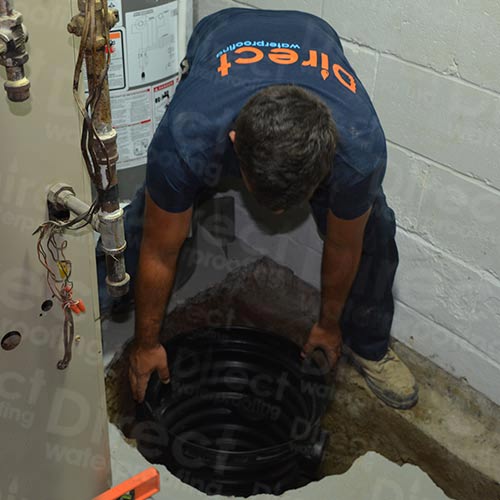 Handling a Leaky
Basement Repair
When it comes to our homes, there are two floors in particular that rarely seem to be visited or inspected. One of these is the attic.
Read more
Handling a Leaky
Basement Repair
When it comes to our homes, there are two floors in particular that rarely seem to be visited or inspected. One of these is the attic.
Read more
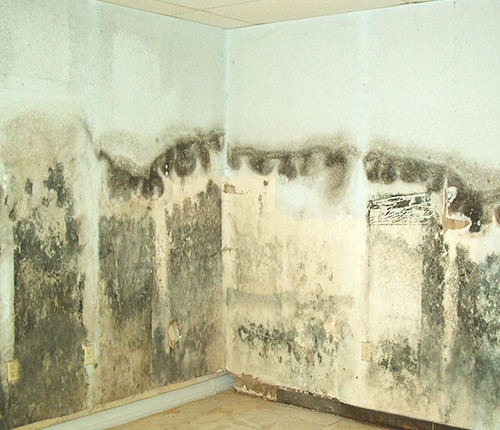 5 Simple Steps For
Mold Removal and
Waterproofing
Let’s take a look at the five simple steps you need to know when it comes to mold removal and basement waterproofing.
Read more
5 Simple Steps For
Mold Removal and
Waterproofing
Let’s take a look at the five simple steps you need to know when it comes to mold removal and basement waterproofing.
Read more
 Tips for Choosing
The Best Basement
Waterproofing
Contractor
Looking far and wide for the expert basement waterproofing in Toronto? Finding a reliable waterproofing company is easier said than done.
Read more
Tips for Choosing
The Best Basement
Waterproofing
Contractor
Looking far and wide for the expert basement waterproofing in Toronto? Finding a reliable waterproofing company is easier said than done.
Read more


